
How Hard Should I Try?
The goal is to make the practice honest without turning every repetition into a contest.
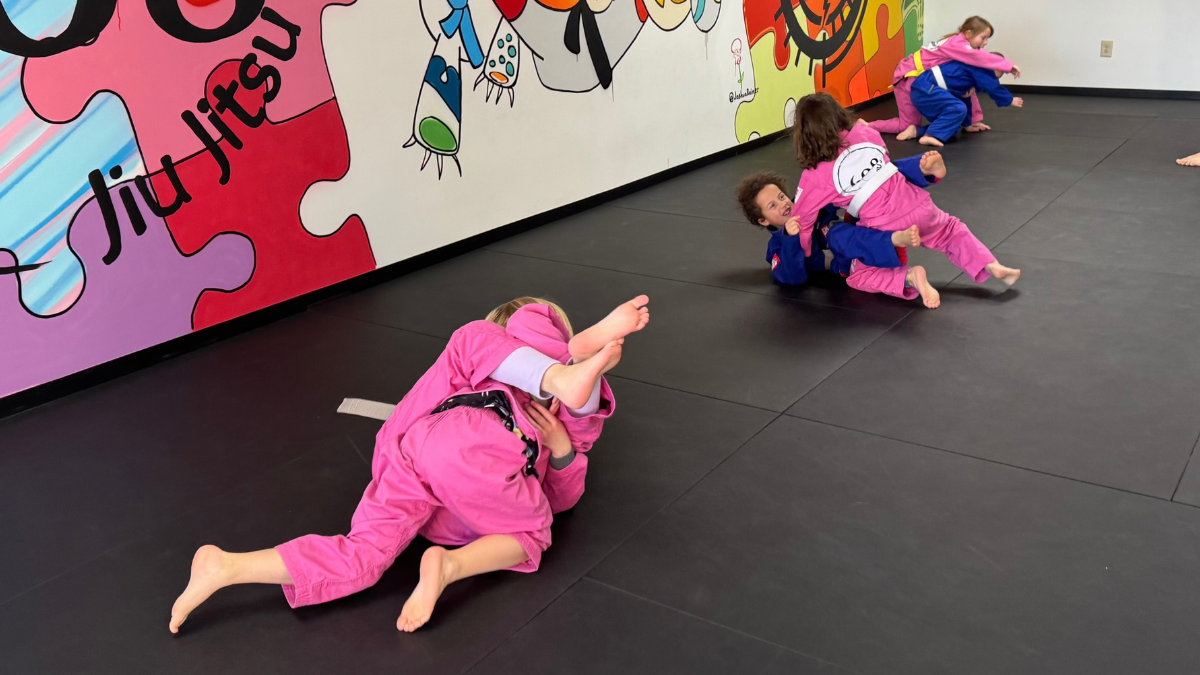
If you are doing the technique, try hard enough to make it work correctly. If you are receiving the technique, be active enough that your partner has to do it correctly.
Sometimes drilling a technique can feel almost too easy.
Your partner stays still. You put your hands in the right place, move through the steps, and everything works. That can be useful when you are first learning.
But eventually, your partner has to start acting a little more like a person who knows jiu jitsu.
Both People Have a Job
The other person should not just go limp and let everything happen. They should keep good posture, keep their balance, and keep the frames that make the most sense in that situation.
But their job is not to stop the technique at all costs either.
The goal is to make the practice honest without turning every repetition into a contest.
Sometimes Jiu Jitsu Is Uncomfortable
Someone may be putting their weight on you. A good pin can feel heavy. A frame may press into you. A grip might make it harder to move.
That does not necessarily mean your partner is doing something wrong. Sometimes the technique is supposed to create pressure, and learning how to stay calm and keep working while you are uncomfortable is part of learning jiu jitsu.
Being comfortable in an uncomfortable position is a skill. It can be a difficult skill to practice.
Uncomfortable Is Not the Same as Unsafe
If something hurts, you can tap or tell your partner to stop. You don’t need to endure pain just because jiu jitsu can be uncomfortable.
And if a technique is supposed to create pressure, the person receiving it can help their partner learn too.
You might say:
“That felt right.”
“I could feel the pressure, but it wasn’t too much.”
“I don’t think you had the position quite yet.”
That kind of feedback helps your partner learn what the technique is actually supposed to feel like.
The Right Amount
If you are receiving the technique, be active enough that your partner has to do it correctly.
Do not make it easy just to be nice, and do not make it impossible just to prove you can stop it.
The right amount of effort gives both people something useful to practice.
Sometimes that means the technique feels a little uncomfortable. That is okay.
You are learning how to apply pressure. Your partner is learning how to handle it. And both of you are learning how to tell the difference between good pressure and too much.
A Note for Parents
Sometimes you keep going, and eventually you find yourself on the other side of something you once thought you could not do.
Joshua is the owner and head coach at 608 Jiu Jitsu in Cross Plains, Wisconsin. He writes about learning, problem solving, and becoming a better training partner through jiu jitsu.