Updates Available
Your jiu jitsu game can evolve as you learn more. Revisit old preferences, choose what to keep, and improve the techniques you already trust.
Joshua ArchiquetteOctober 26, 2026
Read Article 
Training ideas, practical advice, and stories from the mats at 608 Jiu Jitsu.
Your jiu jitsu game can evolve as you learn more. Revisit old preferences, choose what to keep, and improve the techniques you already trust.
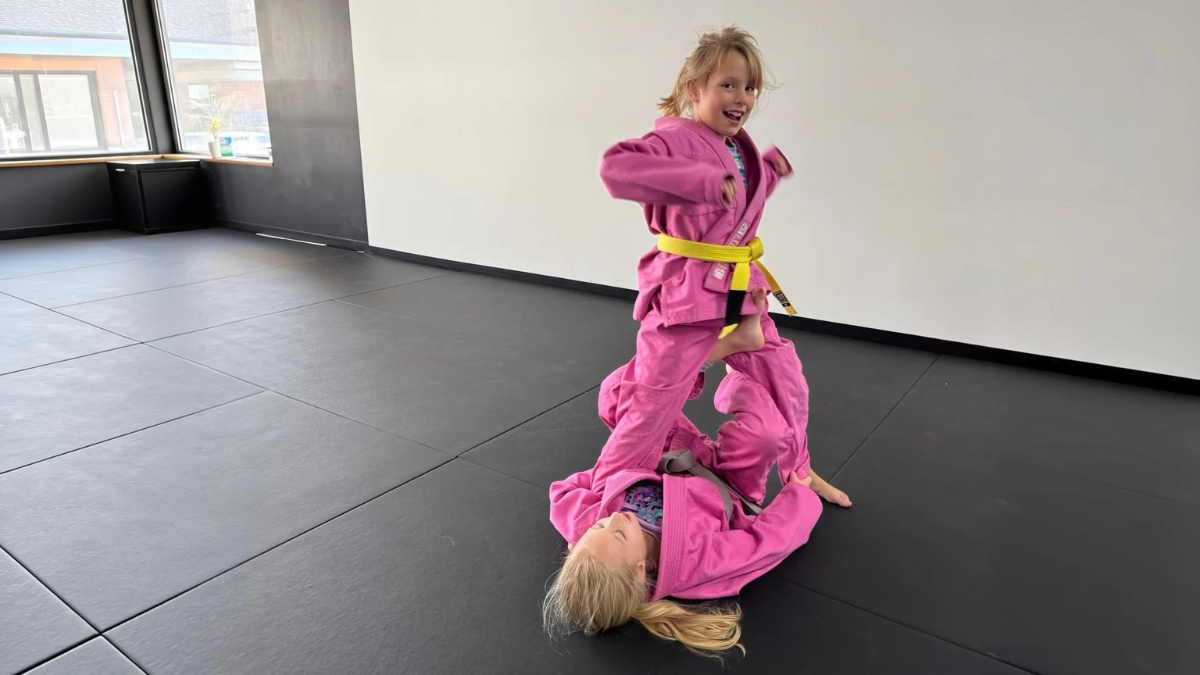
Learn how to give your drilling partner useful practice while building your own jiu jitsu skills.
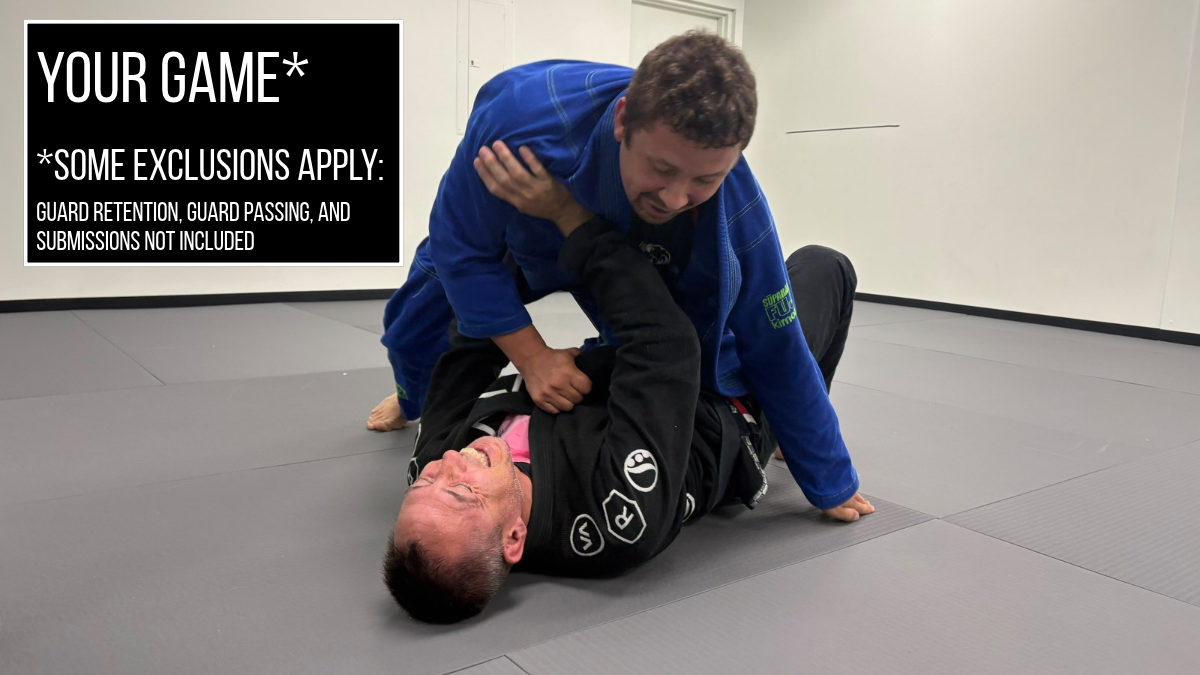
Having a jiu jitsu game can give you direction, but it can also become an excuse to avoid the positions and skills that need work.
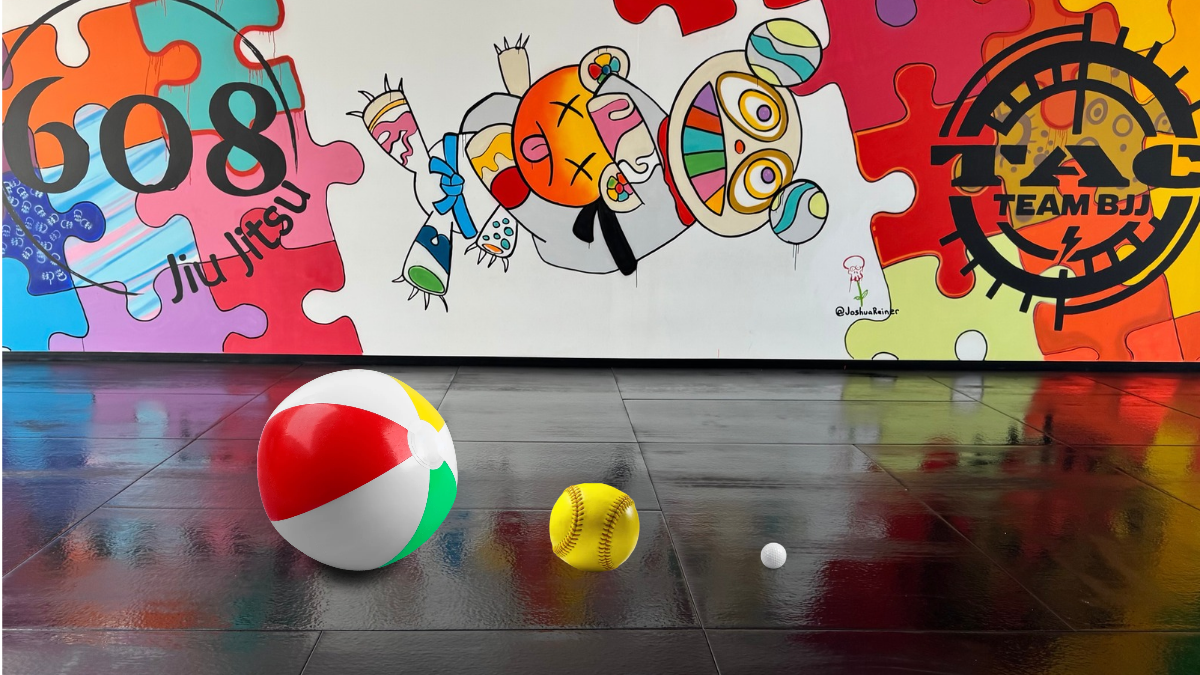
Learning jiu jitsu does not have to be perfect right away. Start with one simple idea, practice it, and add more details when you are ready.
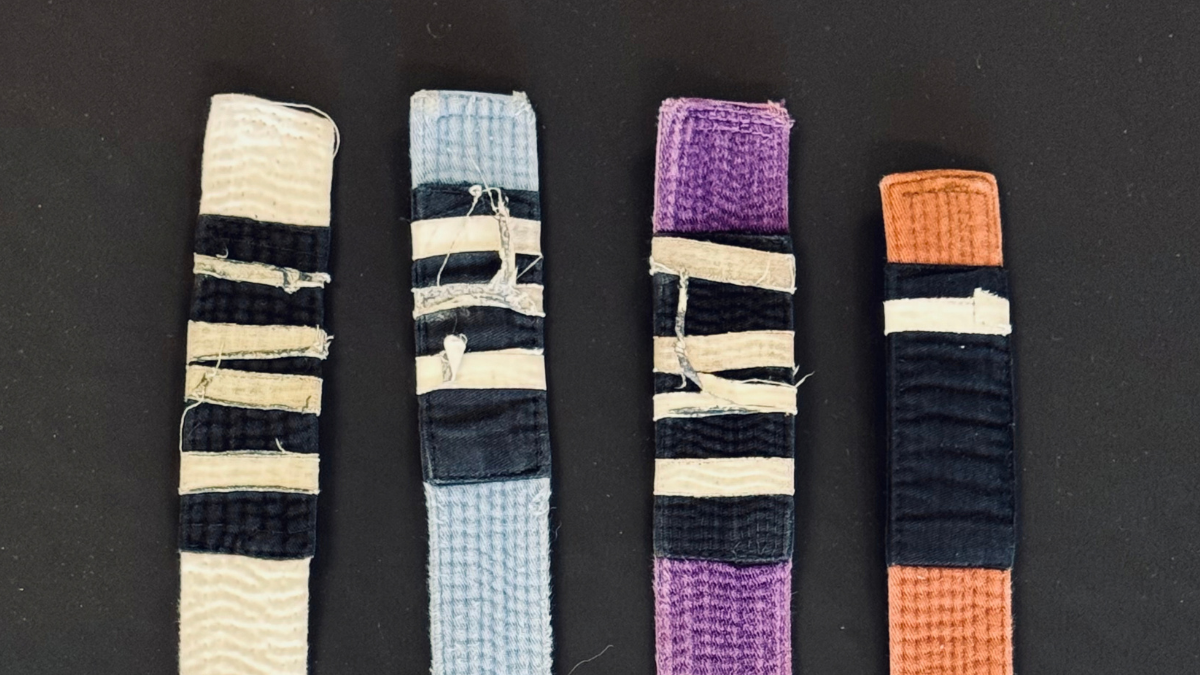
Stripes and belts are worth celebrating, but your belt cannot show everything you are learning. Here is how to recognize progress between promotions.
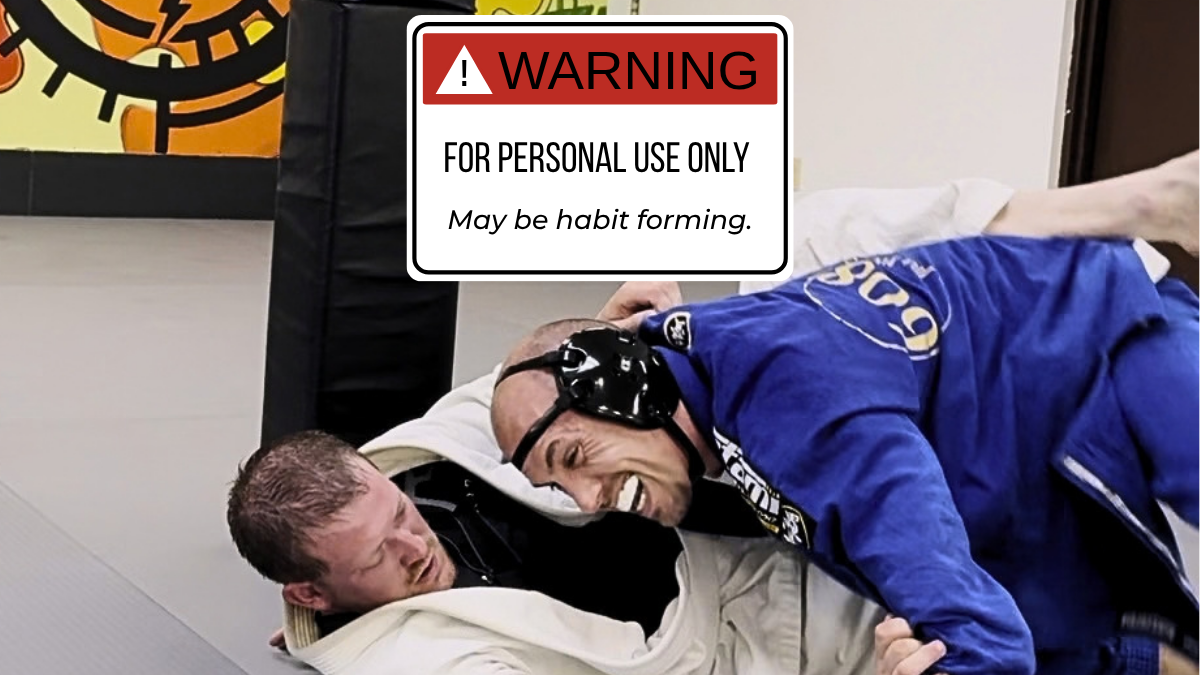
Enjoying a technique is a good reason to explore it. How curiosity and personal preference can help you develop your own jiu jitsu.
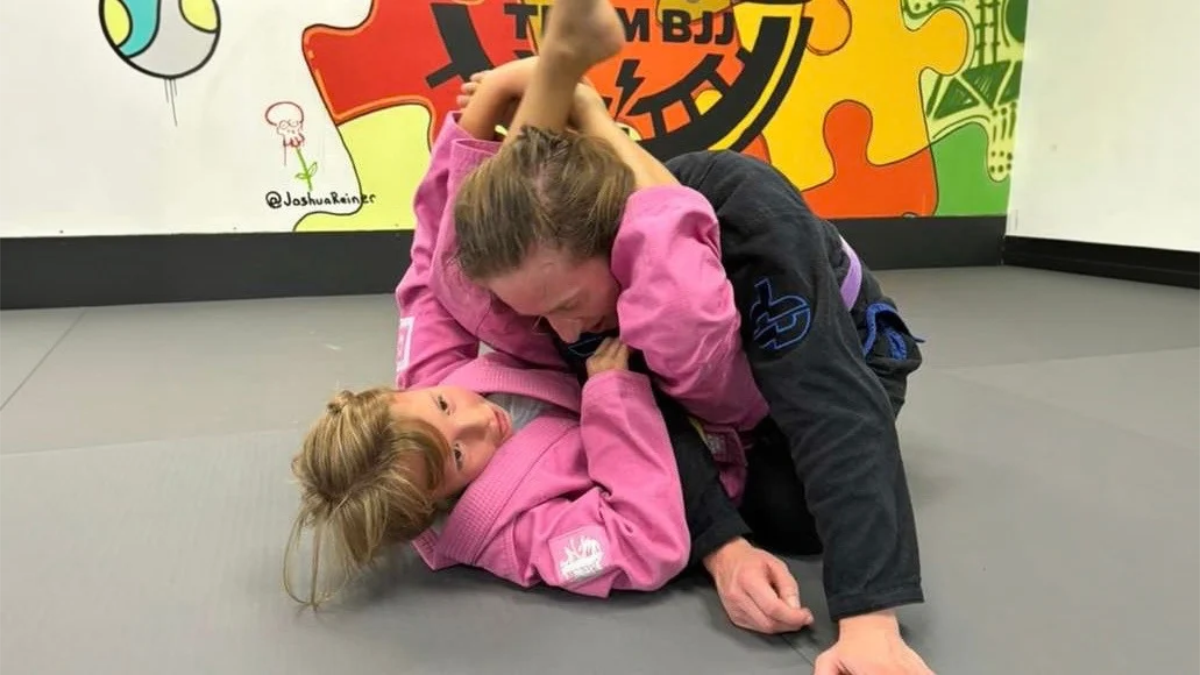
Different bodies need different adjustments. Understanding a technique can help you make your instructor’s jiu jitsu work for you.
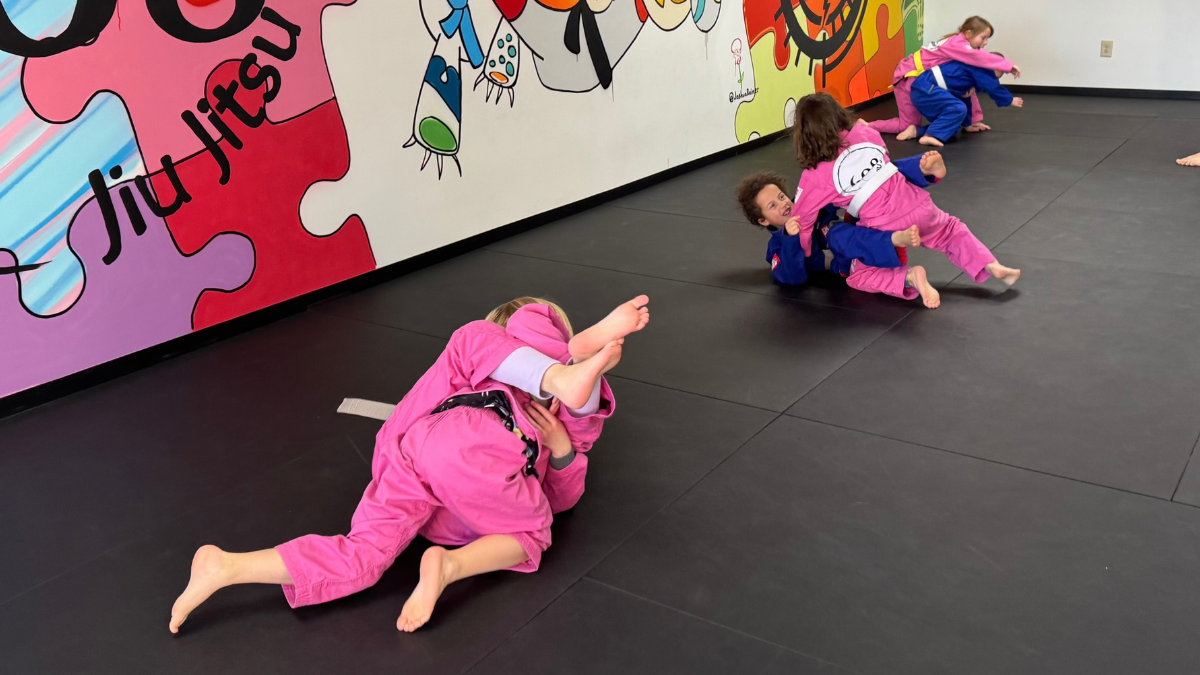
How hard should kids try when drilling jiu jitsu? Learn how both partners can practice with useful resistance, communicate, and work through discomfort.
When does your jiu jitsu start to feel like yours?
 Champions
Comparison is easy, but it may not tell you much about your own progress. Sometimes the best way to learn is to try first and see what you already know.
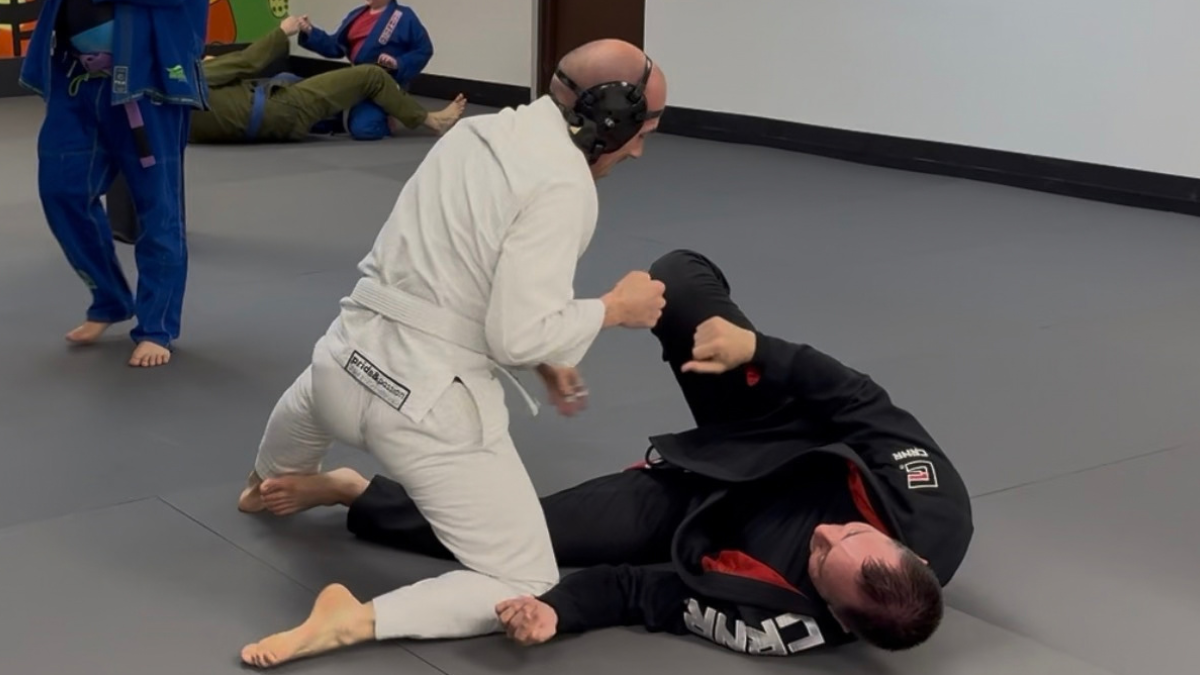
The way we train with someone can give them a reason to come back.
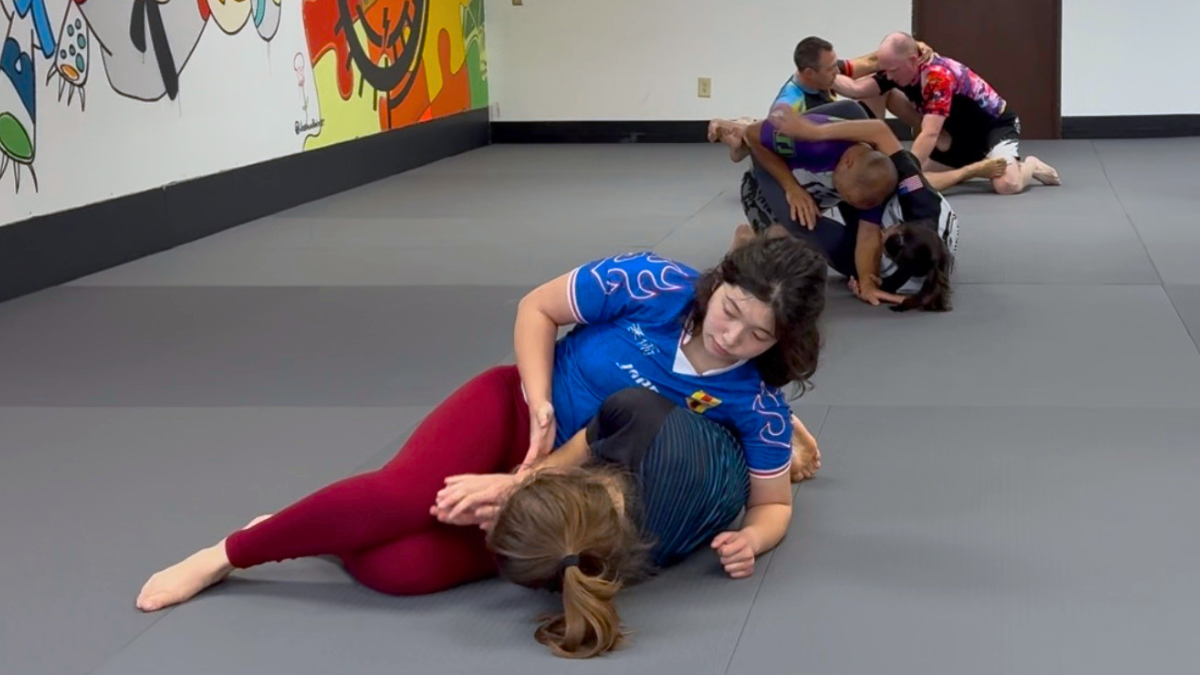
Giving an exchange a little more room can reveal something new for both training partners.
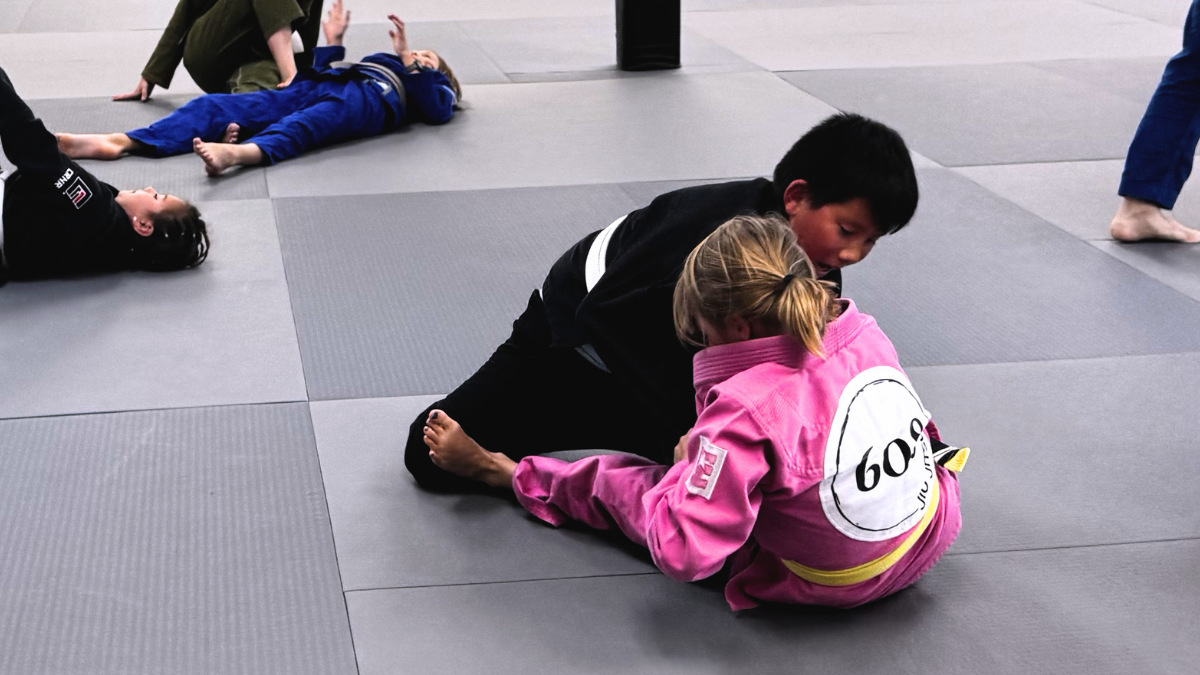
Your partner knows jiu jitsu too. What happens when you try a move can help you figure out what to do next.
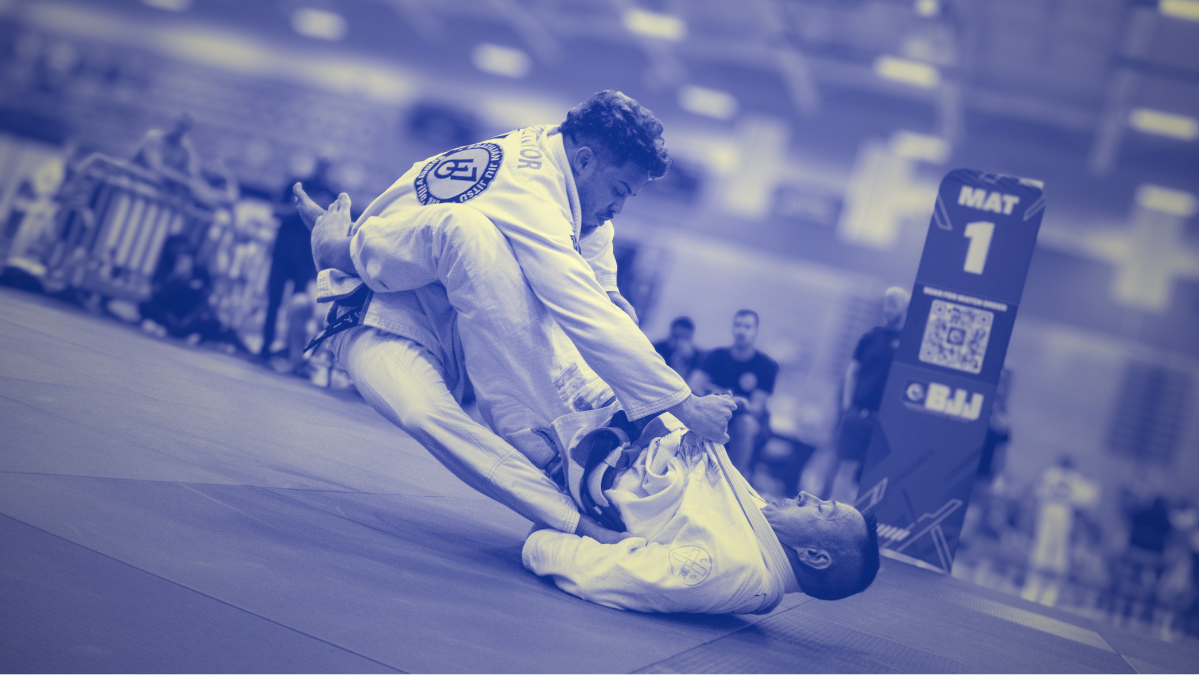
Timing in jiu jitsu is built with other people. Every training partner teaches us when to move, when to wait, and when our plan has already failed.
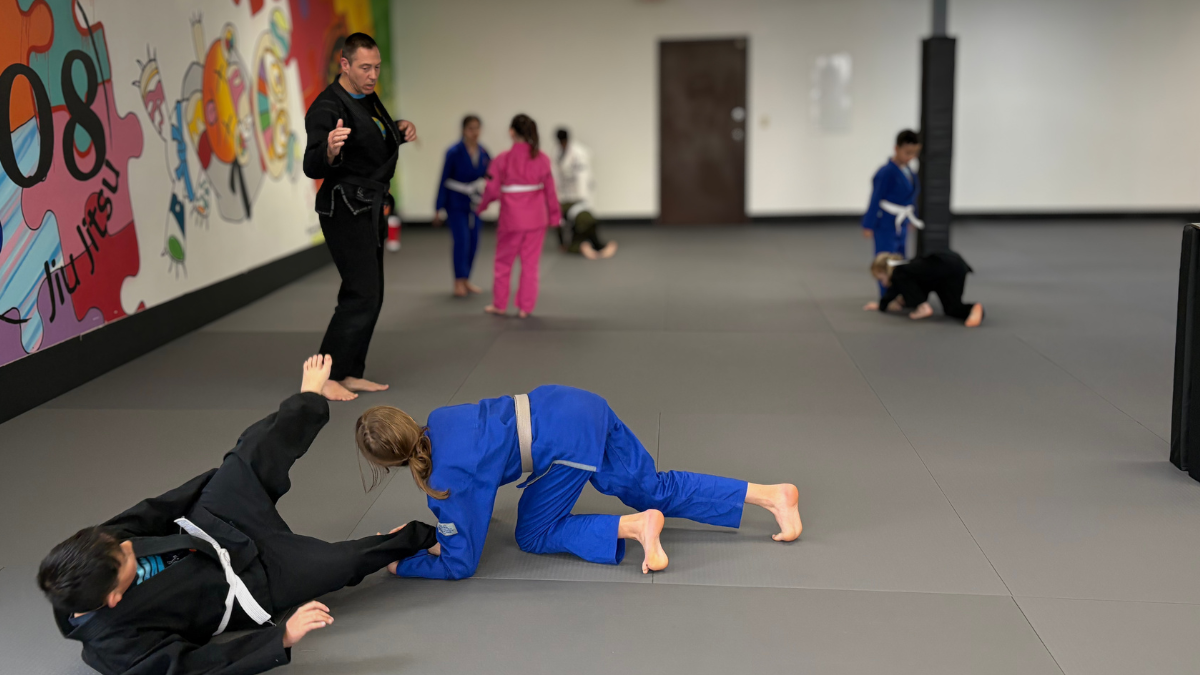
Sometimes kids need more than another explanation. They need to trust what they already know, keep trying, and remember there is still time to get better.

Not every jiu jitsu sparring round needs to prove something. Some rounds test us, some teach us, and others remind us why grappling is fun.
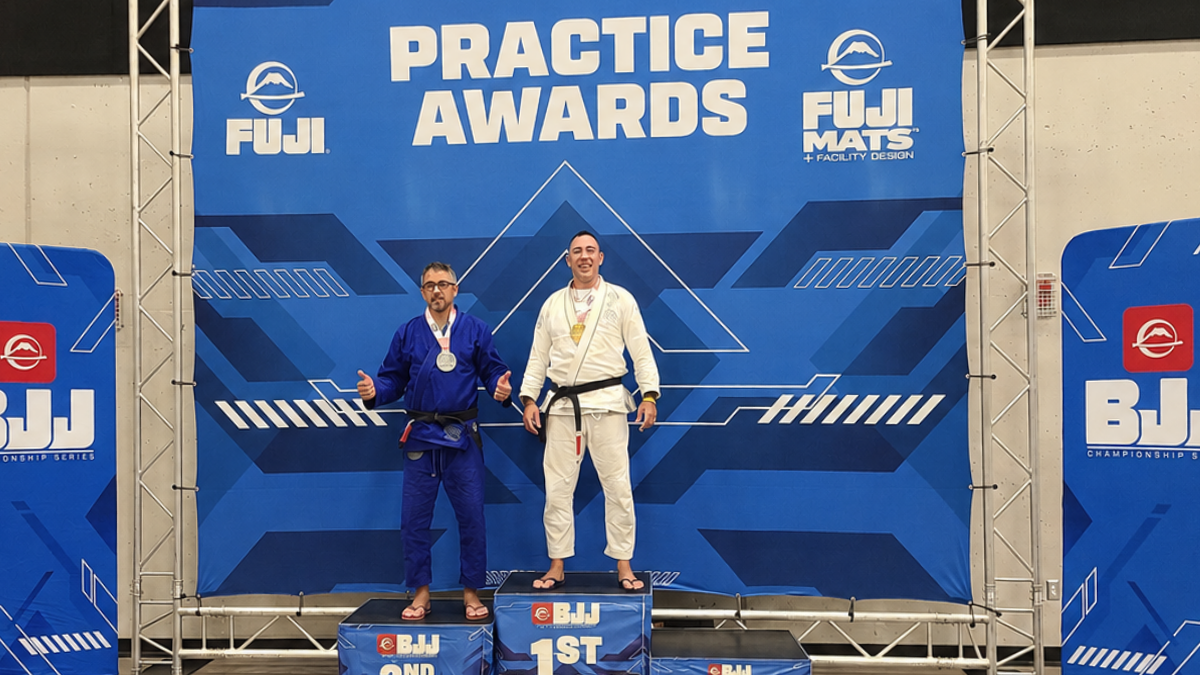
Winning is fun, but practice is where kids can experiment, take chances, and work on the parts of jiu jitsu that still need improvement.
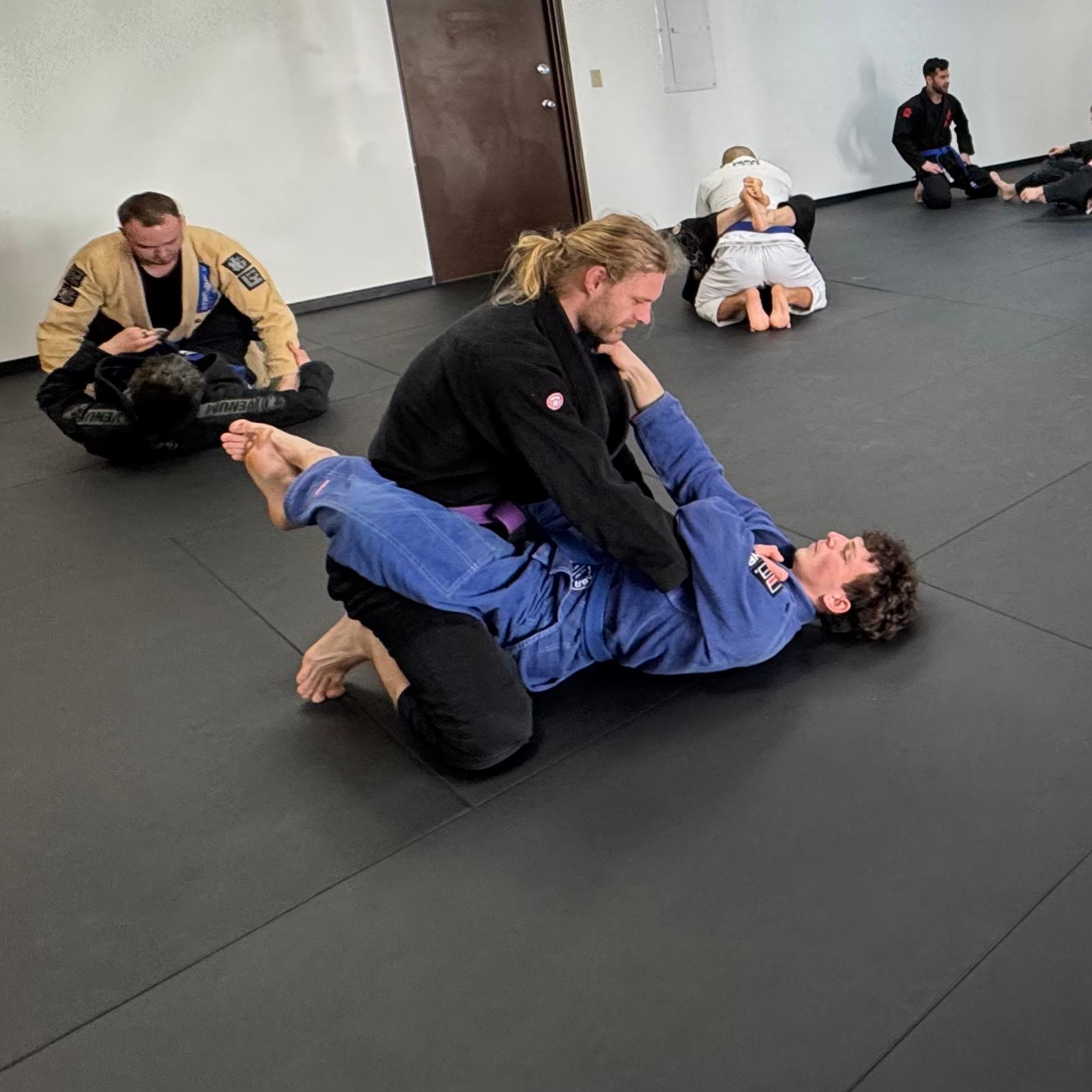
Useful resistance in jiu jitsu drilling is neither zero nor 100 percent.
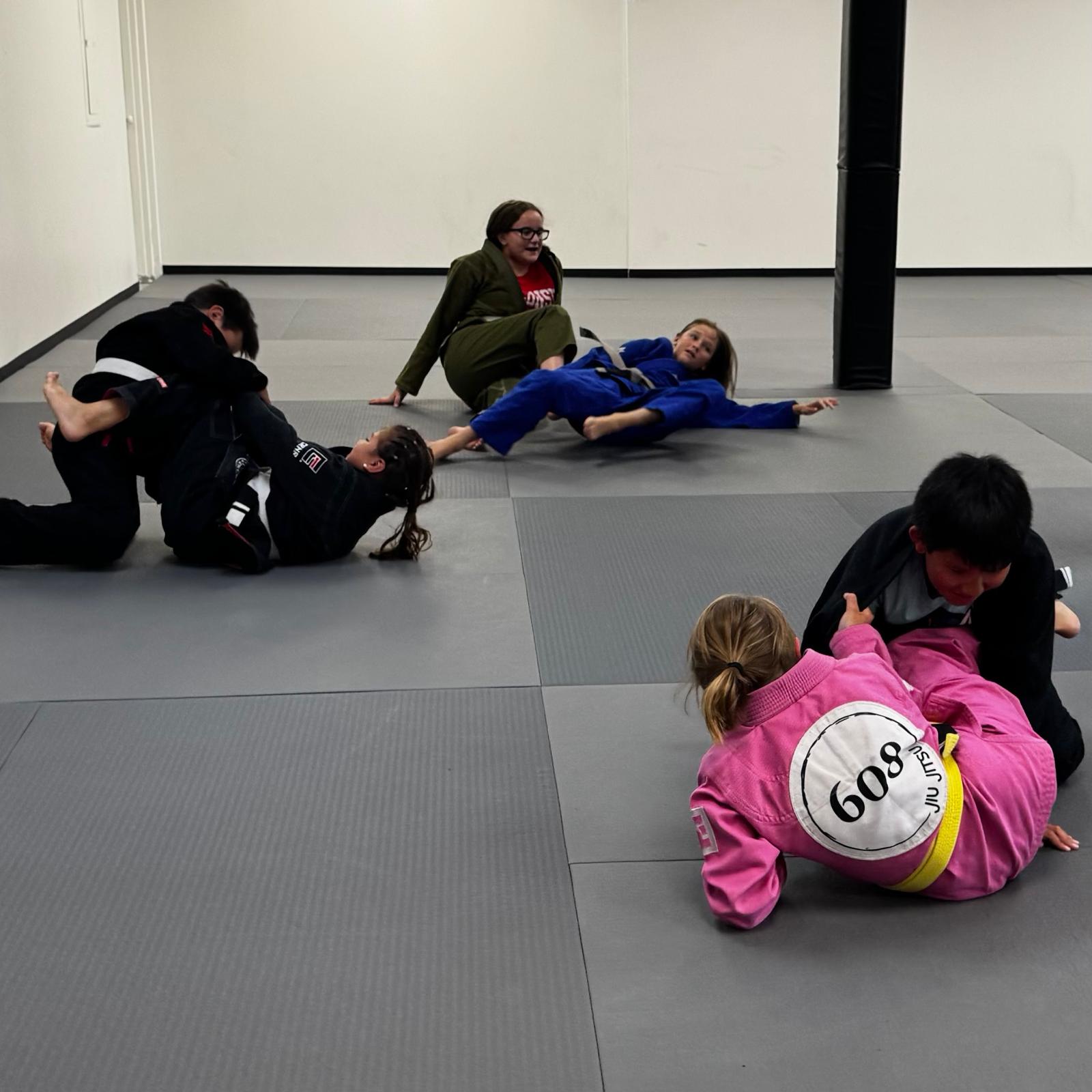
Both children have a job during jiu jitsu drilling. Useful resistance helps them practice safely and learn together.
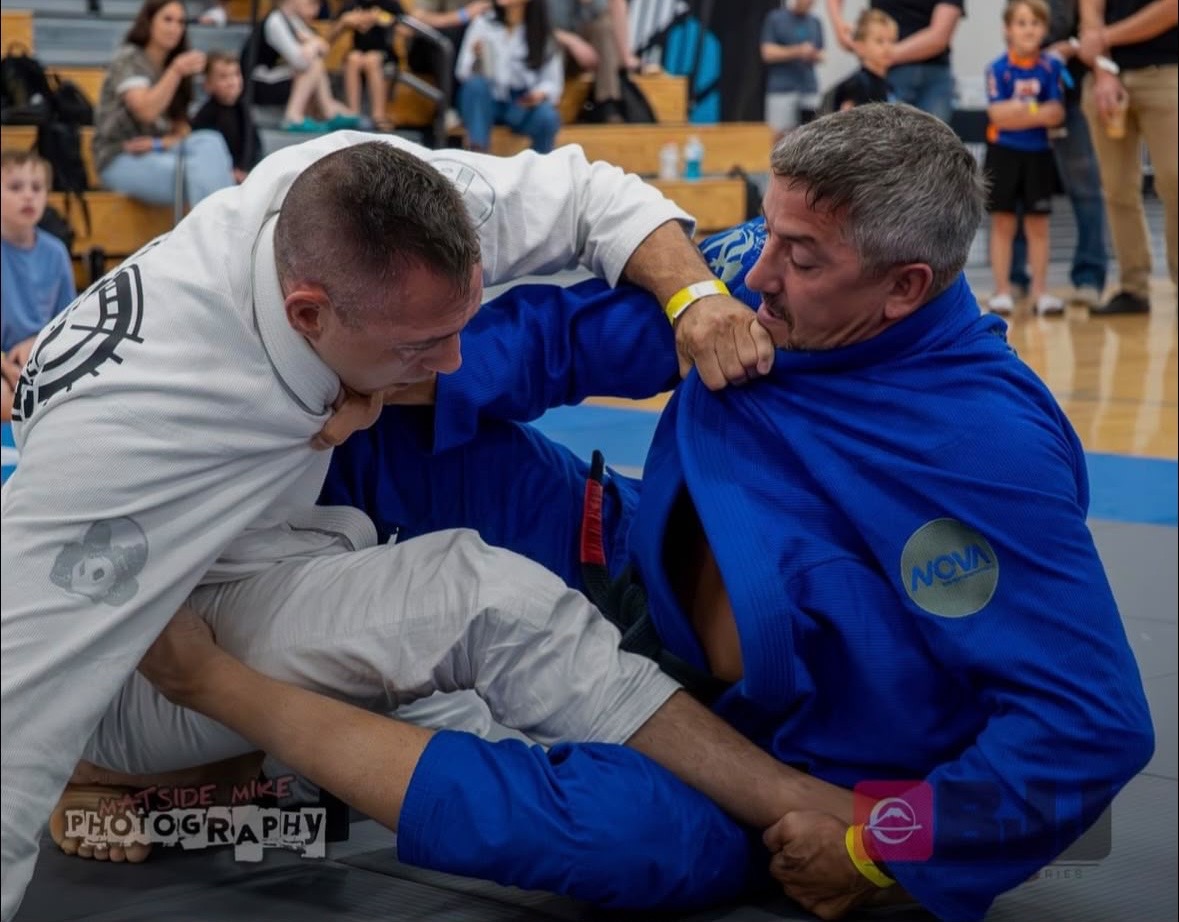
A jiu jitsu technique rarely fails all at once. The breakdown often begins several moves earlier.

Why does a jiu jitsu grip matter? Understanding the job of a grip turns memorized steps into adaptable technique.
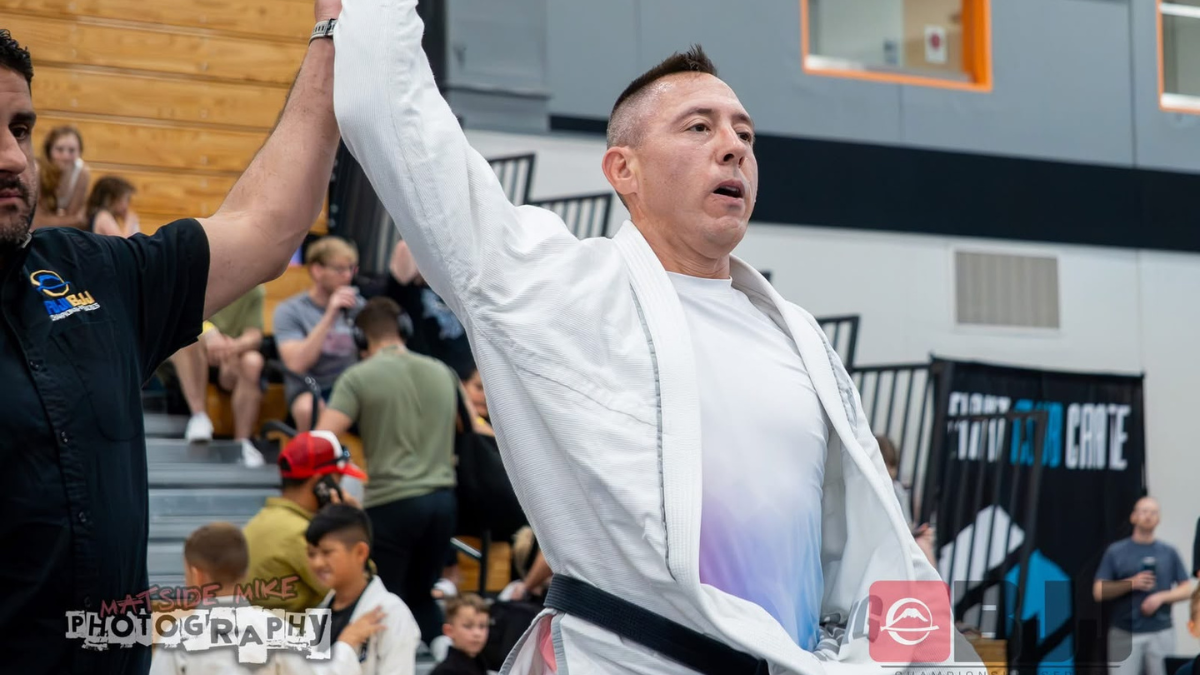
Competition can show us which parts of our jiu jitsu hold up under pressure and what deserves our attention when we get back to training.

A frame gives your body a strong shape that helps protect your space.

Comparison can steal momentum when you judge your progress against a story you cannot fully see.

What does one bad day tell you about your training?

Tapping means stop. It is how training partners keep each other safe and keep learning.

If you give a move your attention, who knows how far you’ll go.

Not every win in jiu jitsu shows up in who tapped whom.

Finding your position more often means learning the grips, reactions, and connecting positions that create a path to it.

Intentional training can become tunnel vision if you stop recognizing the opportunities in front of you.

You might think certain techniques just aren't for you. It might not be that simple.

Is there a shortcut to getting better at jiu jitsu faster?

Failing at jiu jitsu is a lot like succeeding in baseball.

Jiu jitsu progress can feel slow at first. Joshua Archiquette explains how training a couple of times each week helps techniques and positions start to connect.