
What If It Doesn’t Work?
Your partner knows jiu jitsu too. What happens when you try a move can help you figure out what to do next.
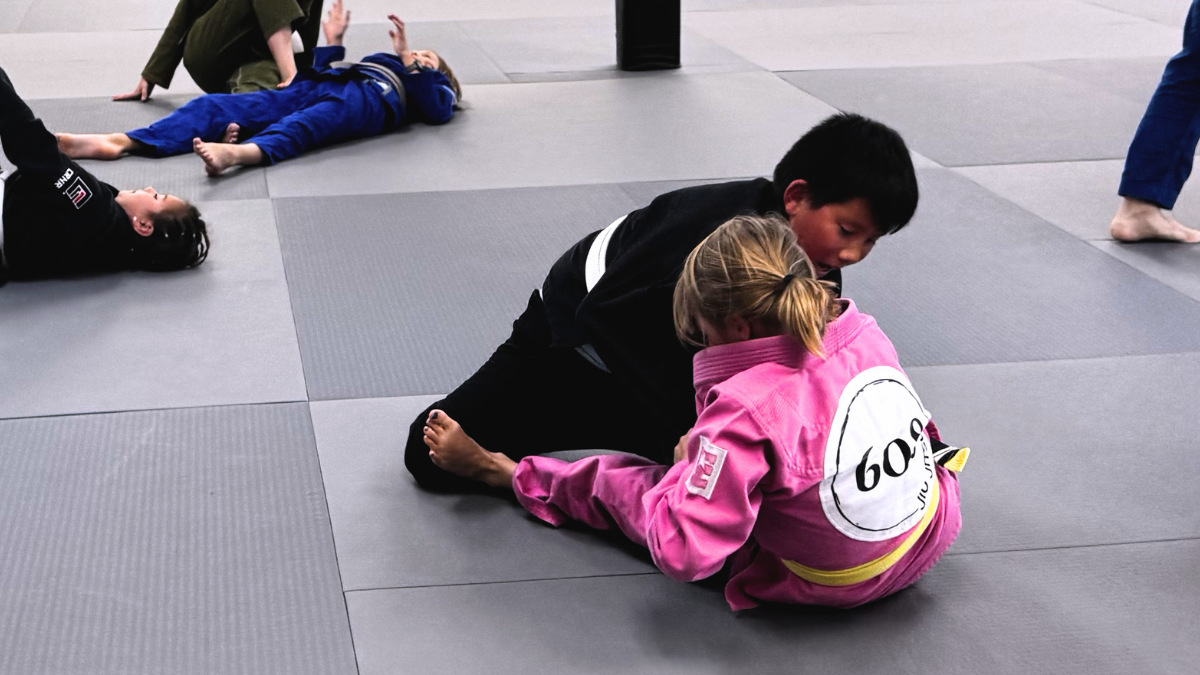
A move not working doesn’t always mean you did it wrong. Sometimes your partner has a good answer. Notice what happened when you tried it, ask a coach when you need help, and keep practicing.
You learn a move. You practice it a few times. It starts to feel pretty good.
Then sparring starts.
You try it, and it doesn’t work.
Now what?
Sometimes the Other Person Has an Answer
Sometimes that’s true. Maybe your grip was in the wrong place. Maybe you forgot a step. Maybe your timing was a little off. Maybe you never even got the chance to get started.
But sometimes the move doesn’t work because your partner knows jiu jitsu too.
They might recognize what you’re trying to do. They might move their weight, protect an arm, change their position, or do something that makes your first idea harder.
That doesn’t mean the technique is useless. It just means you’re practicing with another person who is trying to make their jiu jitsu work too.
That’s What Makes Jiu Jitsu Interesting
You try a sweep, they fall over. You try a submission, they tap. You try an escape, you get out.
Every single time.
You probably wouldn’t need very many techniques.
But that isn’t how jiu jitsu works.
Your partner reacts to what you do, and then you have to react to what they do. Sometimes your first move works. Sometimes it creates a different opportunity. Sometimes it just tells you what your partner is trying to stop.
That’s useful information.
The Move After the Move
The sweep didn’t work, but now their hand is somewhere different.
Maybe you try to escape and your partner shifts their weight to stop you.
You’re still stuck, but the position changed.
That’s often where the next part of jiu jitsu begins.
Instead of only asking, “Did my move work?” you can start asking, “What happened when I tried it?”
That question gives you somewhere to go next.
You Don’t Have to Fix Everything Right Away
That’s okay too.
You can ask a coach. You can try it again. You can slow down and pay attention to the part that felt difficult.
You don’t have to solve every problem in one round.
Sometimes getting better means noticing one small thing:
“My partner keeps putting their hand there.”
“I lose the position when they turn this way.”
“I can get almost to the sweep, but not quite.”
Now you have something to work on.
So, What If It Doesn’t Work?
Maybe you need to make the technique a little better. Maybe your partner had a good answer. Maybe your first move created the chance for your second one.
And maybe you won’t know which one it was until you try again.
That’s okay.
A move might not work for several reasons. Sometimes that’s exactly how we get better at jiu jitsu.
A Note for Parents
Joshua is the owner and head coach at 608 Jiu Jitsu in Cross Plains, Wisconsin. He writes about learning, problem solving, and becoming a better training partner through jiu jitsu.