
Thanks for Ruining That
Timing may eventually feel like instinct, but we build it with every partner who teaches us when to move, wait, and adjust.
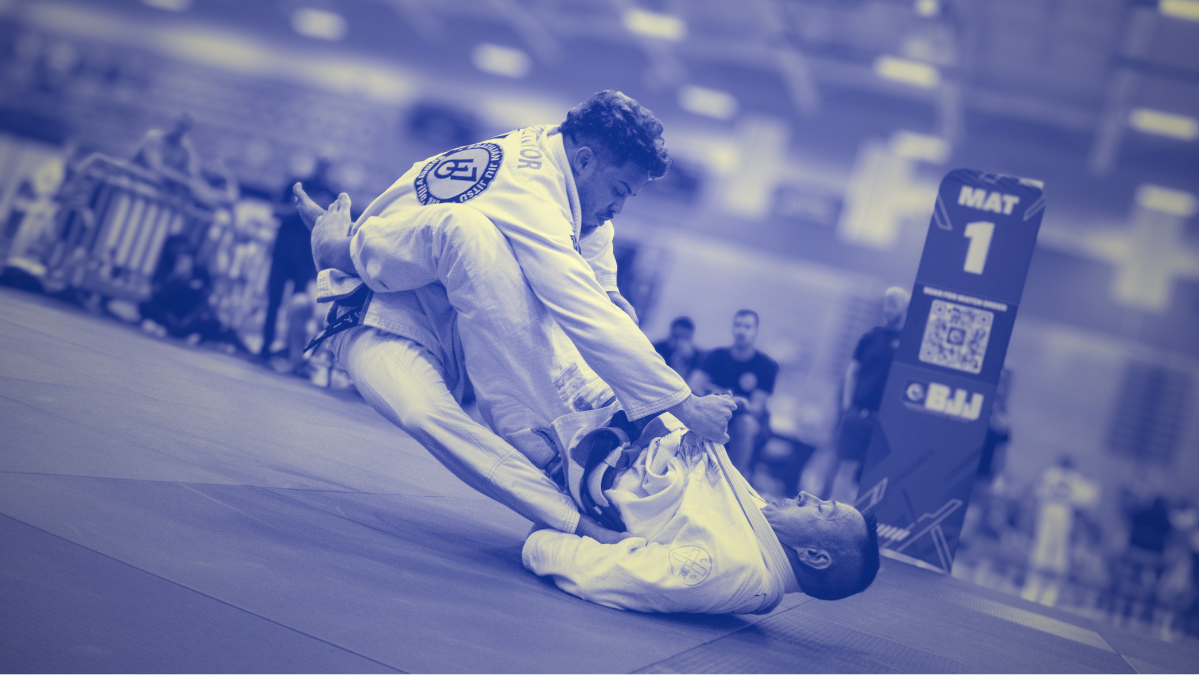
We can rehearse a movement while drilling, but timing requires another person. Every partner changes the moment and helps build the instincts we eventually call our own.
Some people have a deeply irritating habit of moving at exactly the right time.
They shift their hips half an inch and ruin a sweep I’ve spent the last minute grip fighting to set up. Then they do it again, as though I haven’t already made my intentions perfectly clear.
Some people may even tell me what they’re going to do. I get advance notice and still can’t stop their plan.
A baseball sitting on a tee is considerably more accommodating. It will wait while we get the right stance, think about our grip, and adjust our shoulders. We could leave for lunch and it would still be waiting when we came back.
An extremely reasonable arrangement, if you ask me.
Then somebody starts pitching. The ball suddenly has somewhere to be, and a beautiful swing with bad timing is still a miss. As the pitches become faster and less predictable, the batter has less time to figure things out.
(I promise this isn’t becoming a baseball blog. Baseball just keeps making my point for me.)
The Agreed-Upon Terms
When we first drill a move, our partner is essentially a ball sitting on a tee. They give us time to find our grips, adjust our position, and swing. We have agreed on what is going to happen.
If they are using some resistance while drilling and our partner starts varying their reactions, somebody has started pitching for us, albeit probably lobbing up softballs.
Once we’re sparring, they also have their own ideas about how this should end and are trying to pitch fastballs and sliders to ruin my swing.
A sweep won’t work simply because our hands and feet are in the right places. Our partner shifts their weight, pushes back, or takes a step. For a moment, and only a moment, there is something to work with.
Naturally, we tend to recognize the opening just after it closes.
We now know exactly what we should have done. Excellent. We can mentally review the missed opportunity while they pass our guard.
With enough practice, we begin noticing the opening earlier. Eventually, it feels more like knowing than noticing.
We simply move.
The Usual Suspects
That instinct may feel like it belongs entirely to us, but other people had to help us build it. Quite a few of them, usually while making things inconvenient for us.
A new white belt may move too early, too late, or in a direction that makes little technical sense to us. We are waiting for a particular response, and they have failed to provide it. We have to respond to the person in front of us instead of the movement we had already pictured in our heads.
A fast, athletic partner may be gone by the time we finish deciding what to do. The opening existed. By the time we saw it, they had moved on.
A larger partner may make us wait for a weight shift we could get away with ignoring against someone smaller. Trying harder can mean spending a remarkable amount of energy accomplishing absolutely nothing.
An experienced partner may offer very little that looks like an opening. Their weight shifts without much visible movement. We miss it because we were waiting for something more obvious.
Each partner lends us a different kind of timing.
Even the same partner can give us something different from one round to the next. They may be tired, moving carefully because something hurts, or experimenting with a position they rarely use.
We know the person. That does not mean we know exactly what they will do.
Still, familiar partners let us notice things we might otherwise miss. We learn their favorite grips, the direction they prefer to turn, and the point where they usually begin defending. After enough rounds, we may recognize their intentions before their movement becomes obvious.
This can make our timing feel especially sharp. Some of that is recognizing the opening. Some of it may be knowing that this particular person always does the same thing right before it appears.
No Known Associates
Then we train with someone unfamiliar.
They pause where our usual partner moves. They turn the other way. They have no respect for a technique that worked perfectly well on everybody else we know.
Our timing may not travel quite as well as we thought.
Familiar partners help us study the smaller details. Unfamiliar partners show us which details we had started taking for granted.
The movement may stay recognizable while the moment keeps changing.
Eventually, we may even create the reactions we used to wait for.
Every partner contributed something.
Someone taught us to move earlier. Someone else taught us to wait. One person made us more precise. Another showed us that the opening could look completely different and still lead to the same place.
We may not remember the particular rounds when those lessons happened. We still carry them into the next one.
Our timing eventually becomes our own.
We still built it with everyone who slapped hands, bumped fists, and rolled with us.
See you on the mats.
Joshua is the owner and head coach at 608 Jiu Jitsu in Cross Plains, Wisconsin. He writes about learning, problem solving, and becoming a better training partner through jiu jitsu.