Training Notes
There and Back Again:
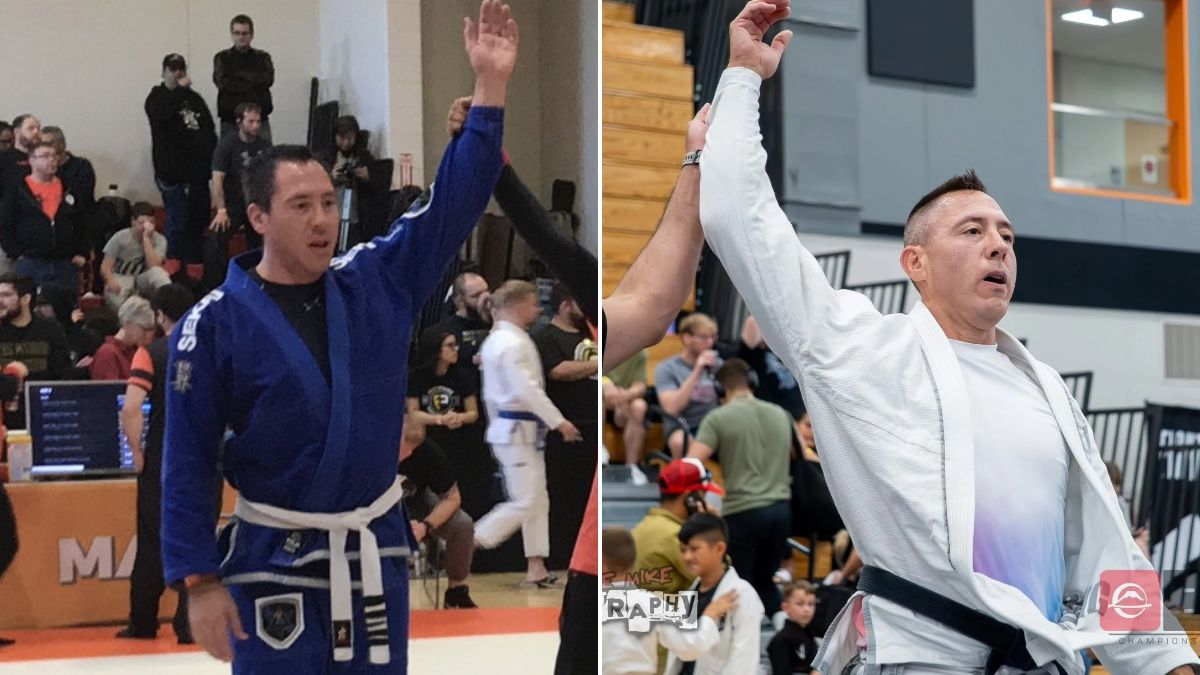
Joshua Archiquette reflects on the journey from white to black belt, recognizing progress, and how he evaluates readiness for a student's next promotion.
Joshua ArchiquetteNovember 23, 2026
Read Article 

Training notes and technical reflections from the mats at 608 Jiu Jitsu.
Practical ideas and observations to help adults understand, practice, and enjoy jiu jitsu.
Current TopicLessons from the mats for Champions students and the families helping them grow.
Read ChampionsJoshua Archiquette reflects on the journey from white to black belt, recognizing progress, and how he evaluates readiness for a student's next promotion.
White belts can help each other learn jiu jitsu. Share what has worked, recognize the limits of your experience, and leave room to keep learning.
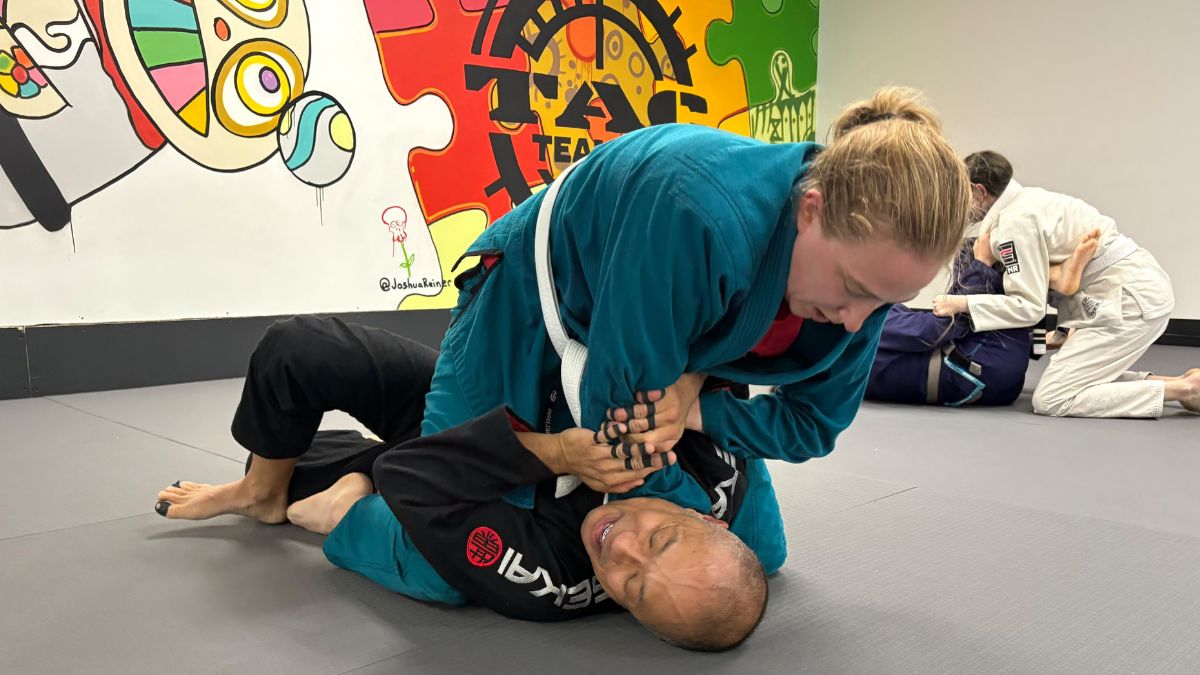
With a minute left in a Jiu Jitsu round, you can hold side control or try a move you rarely get right. What could you learn from that choice?
Your jiu jitsu game can evolve as you learn more. Revisit old preferences, choose what to keep, and improve the techniques you already trust.
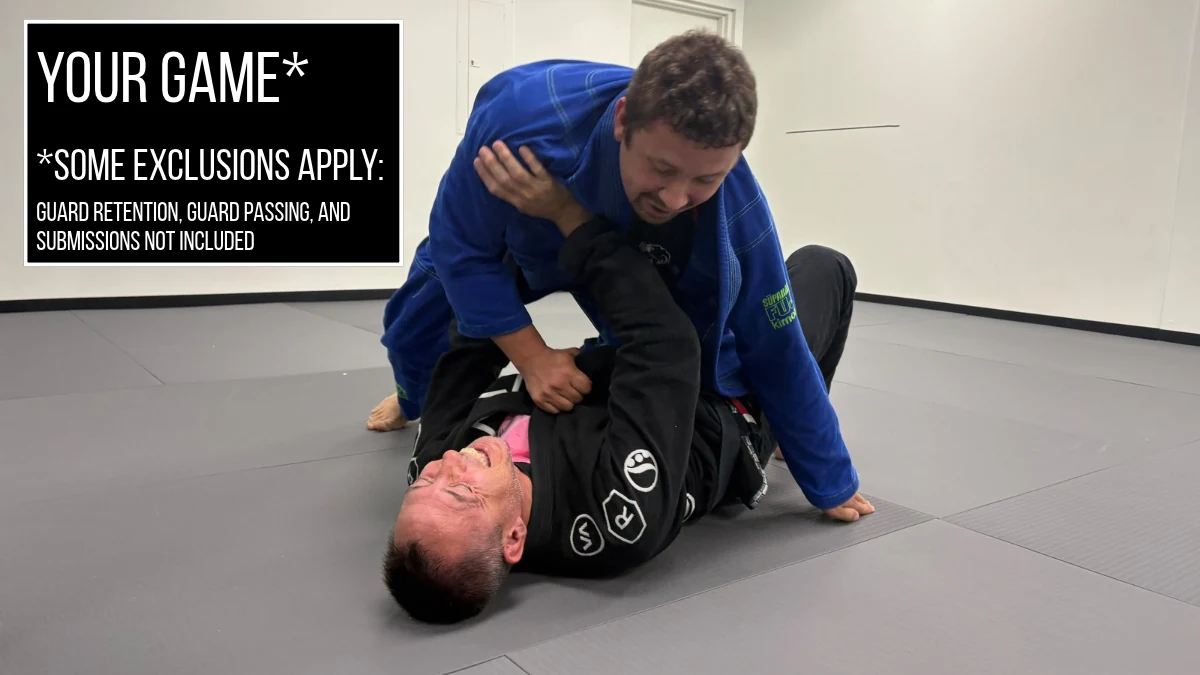
Having a jiu jitsu game can give you direction, but it can also become an excuse to avoid the positions and skills that need work.
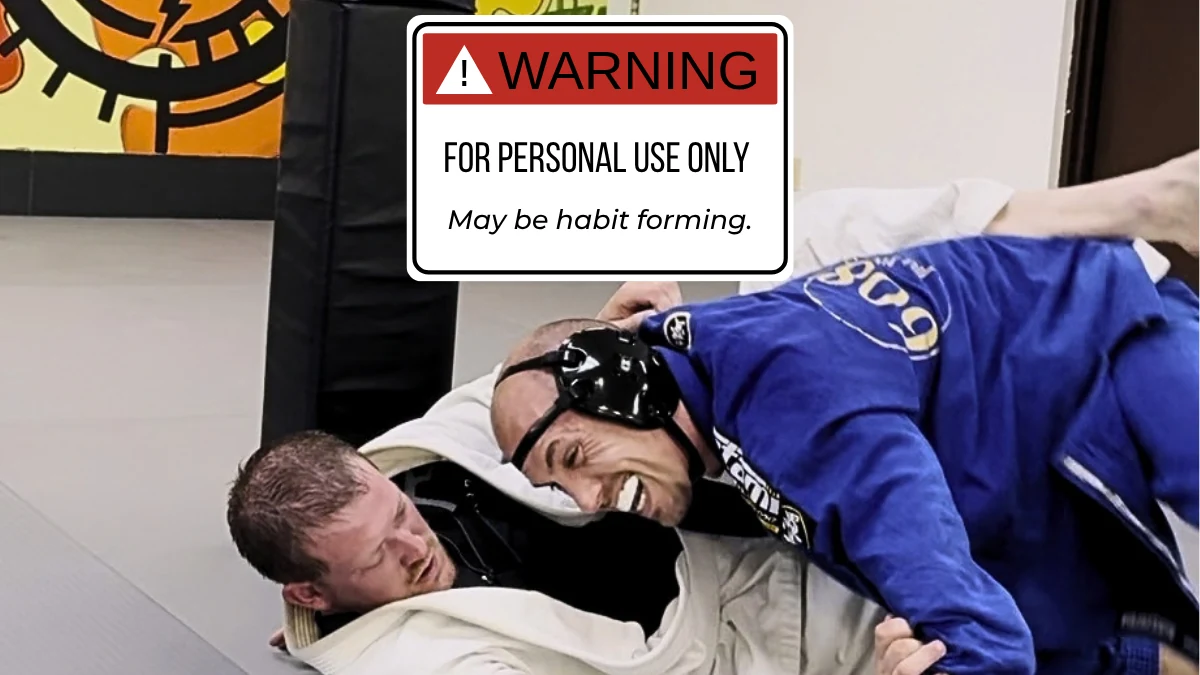
Enjoying a technique is a good reason to explore it. How curiosity and personal preference can help you develop your own jiu jitsu.
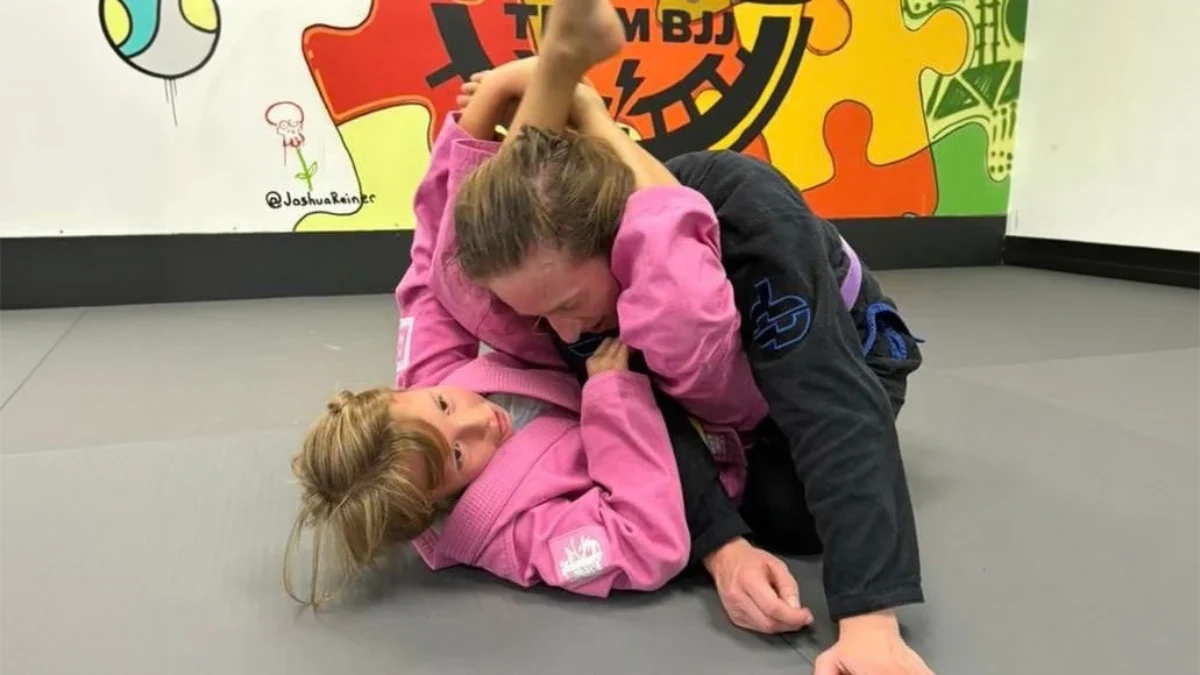
Different bodies need different adjustments. Learn how understanding a technique can help you make your instructor’s jiu jitsu work for you.

When do you have a game in jiu jitsu? Familiar techniques can become a personal style, and that identity can keep evolving as your experience grows.
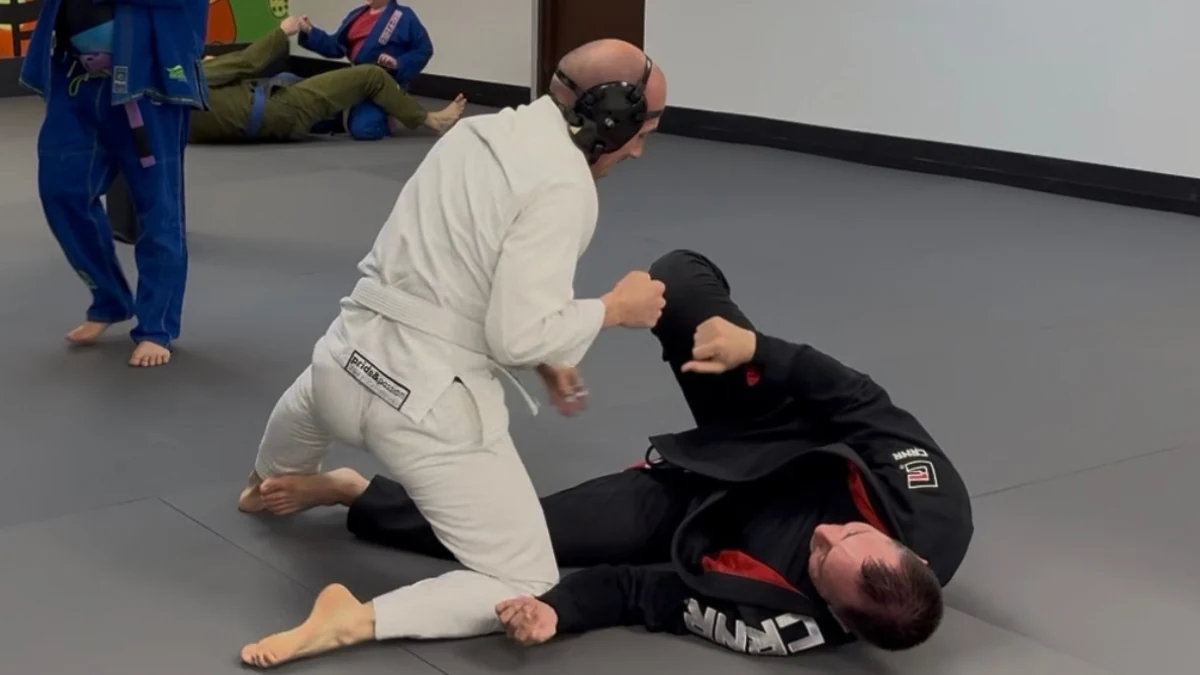
Good training partners build trust through challenging rounds. How we handle pressure can help each other learn and keep coming back to jiu jitsu.
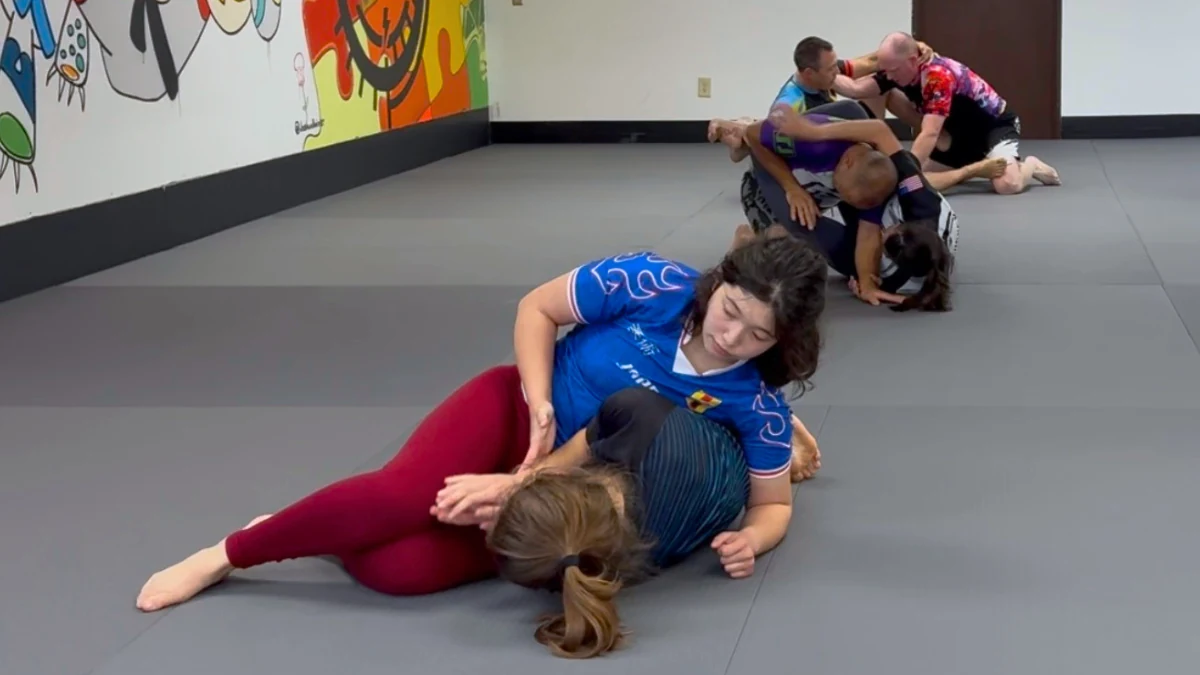
Giving a training partner room to work can challenge both of you. Explore how real resistance and unfamiliar positions help both people improve at jiu jitsu.
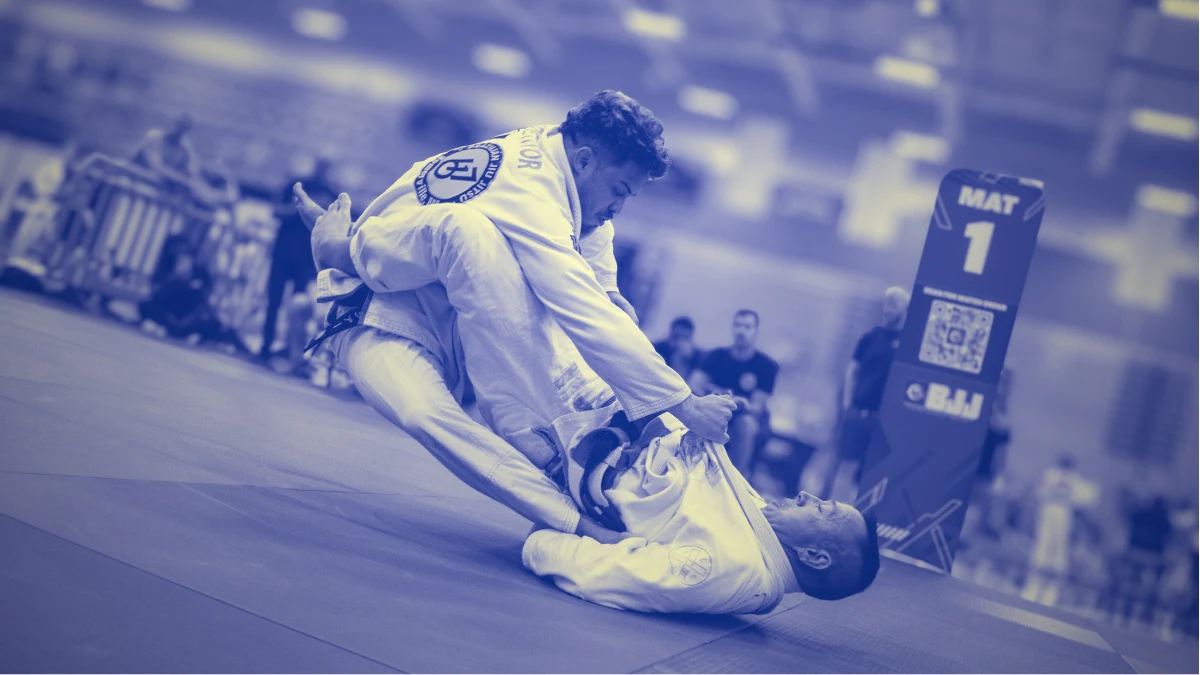
Timing in jiu jitsu is built with other people. Every training partner teaches us when to move, when to wait, and when our plan has already failed.

Not every jiu jitsu sparring round needs to prove something. Some rounds test us, some teach us, and others remind us why grappling is fun.
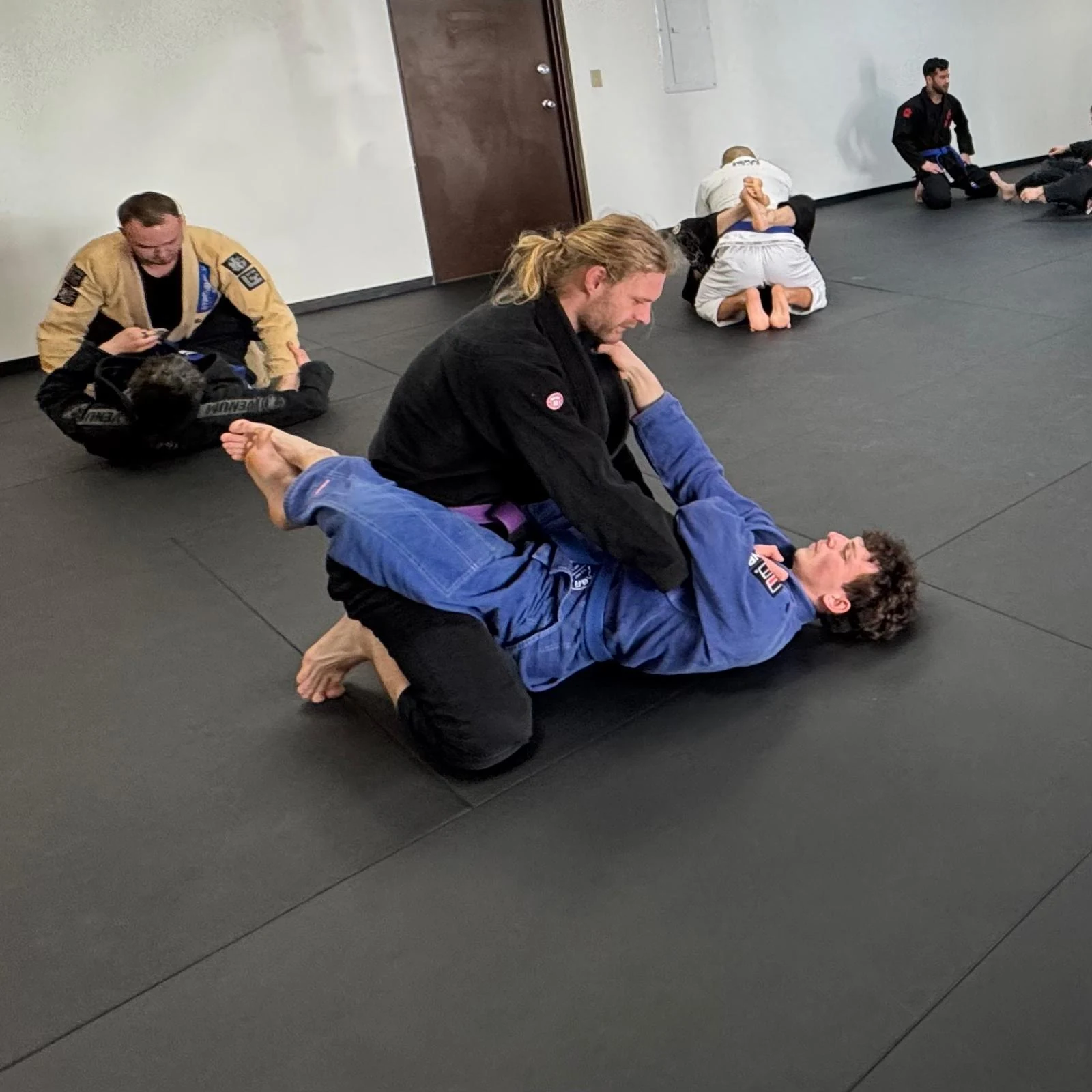
Useful resistance in jiu jitsu drilling is neither zero nor 100 percent. Joshua Archiquette explains how the right challenge helps both partners learn.
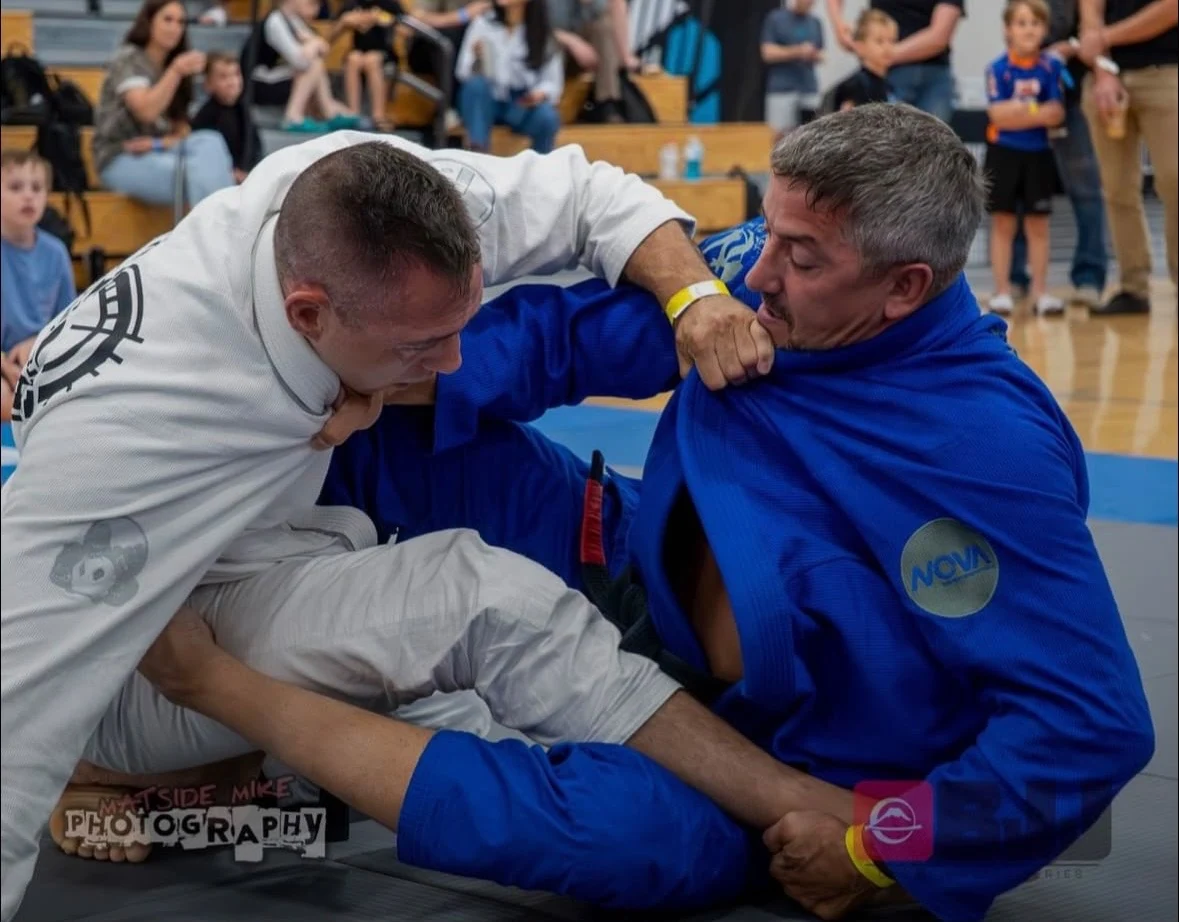
A jiu jitsu technique rarely fails all at once. Joshua Archiquette explains how to recognize a breakdown early, pivot, and spend strength more wisely.
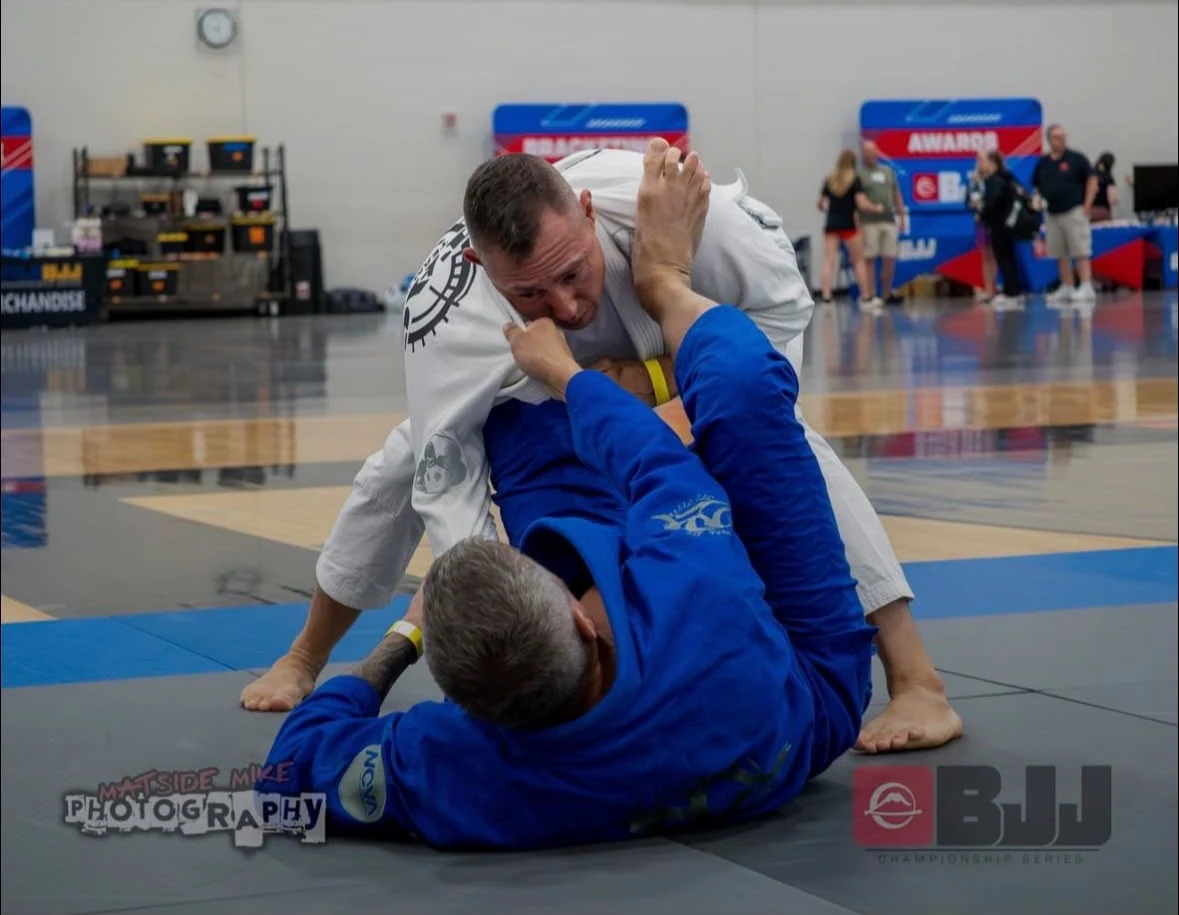
Why does a jiu jitsu grip matter? Joshua Archiquette explains how understanding the job of a grip turns memorized steps into adaptable technique.
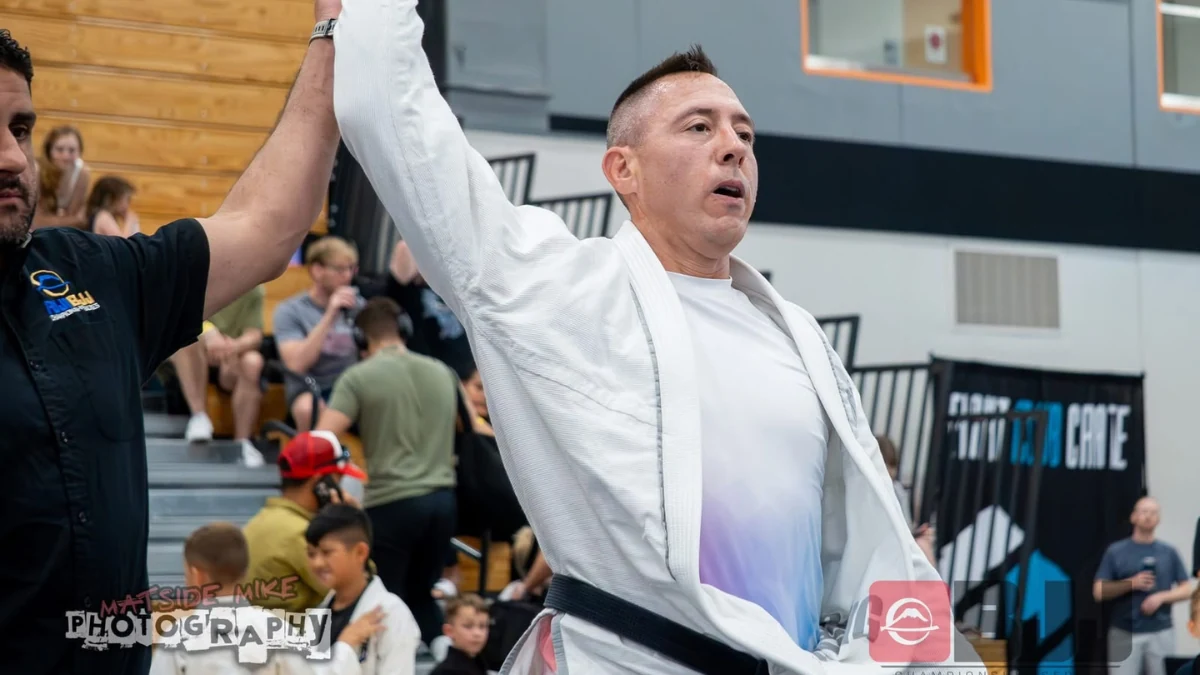
A tournament can show you what deserves attention next. Use honest reflection and intentional training to build jiu jitsu you can trust under pressure.
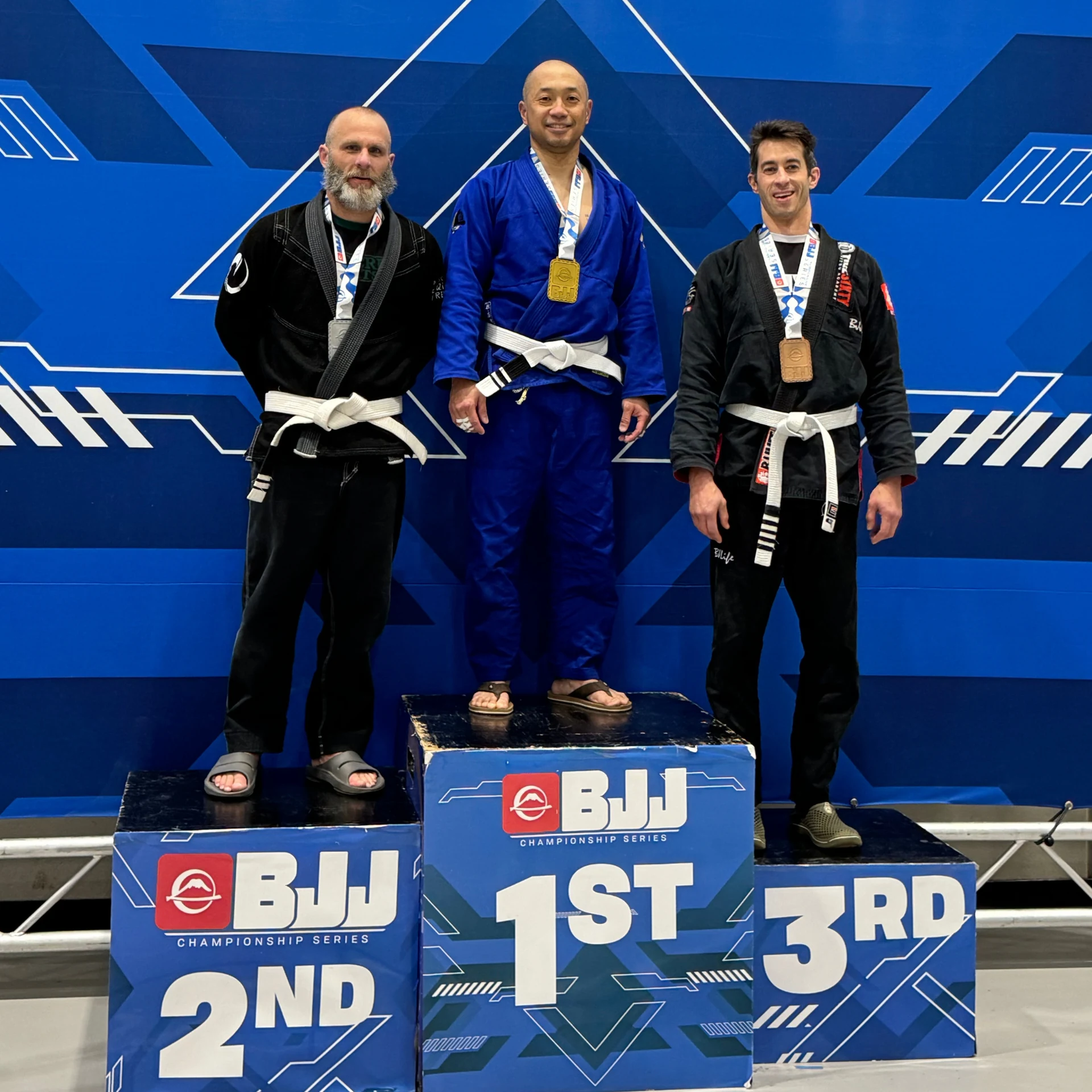
Someone else’s jiu jitsu progress can look faster from the outside. Joshua Archiquette explains why comparison can steal momentum from your training.
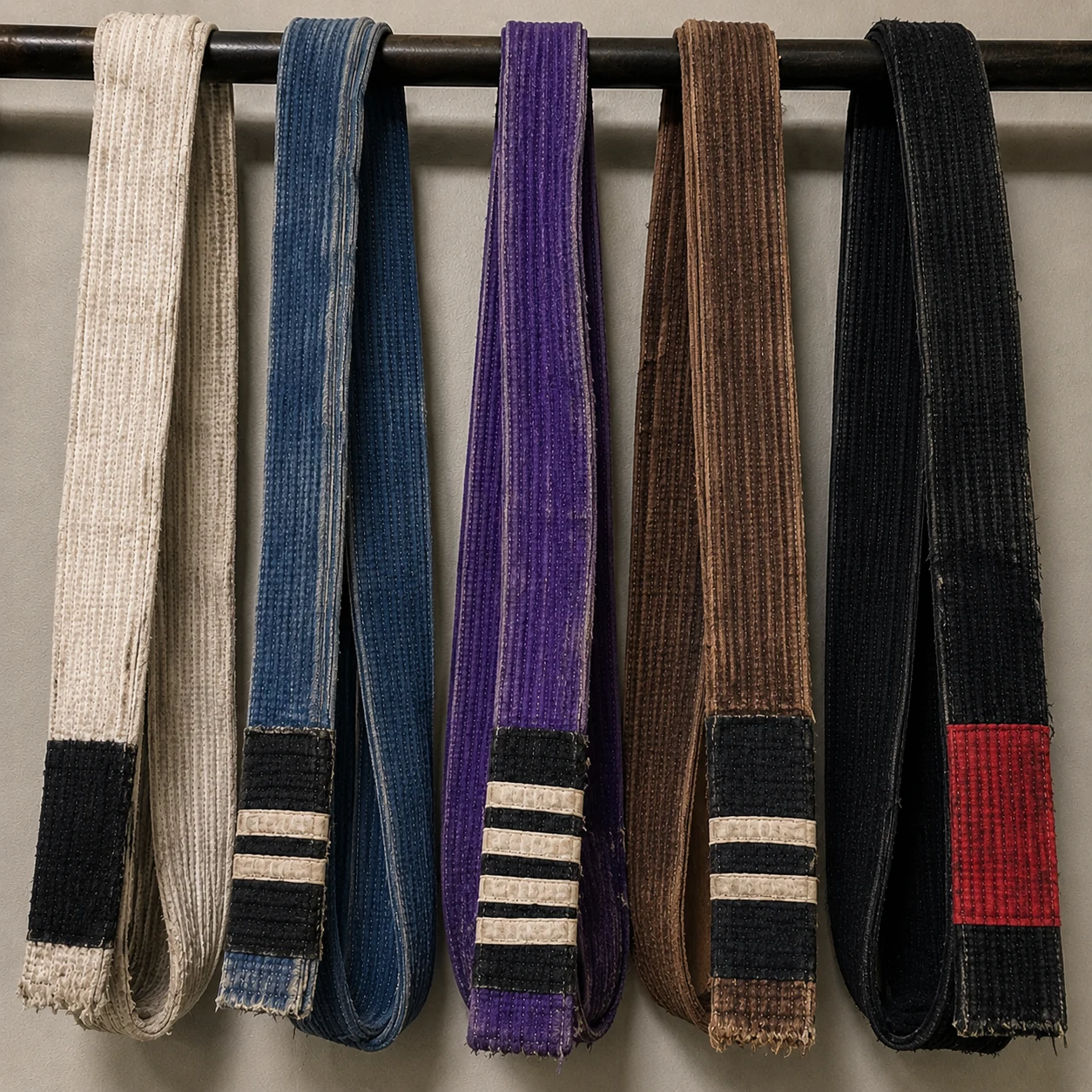
One difficult training session can distort how you see your progress. Joshua Archiquette explains why a bad day in jiu jitsu is not the whole story.
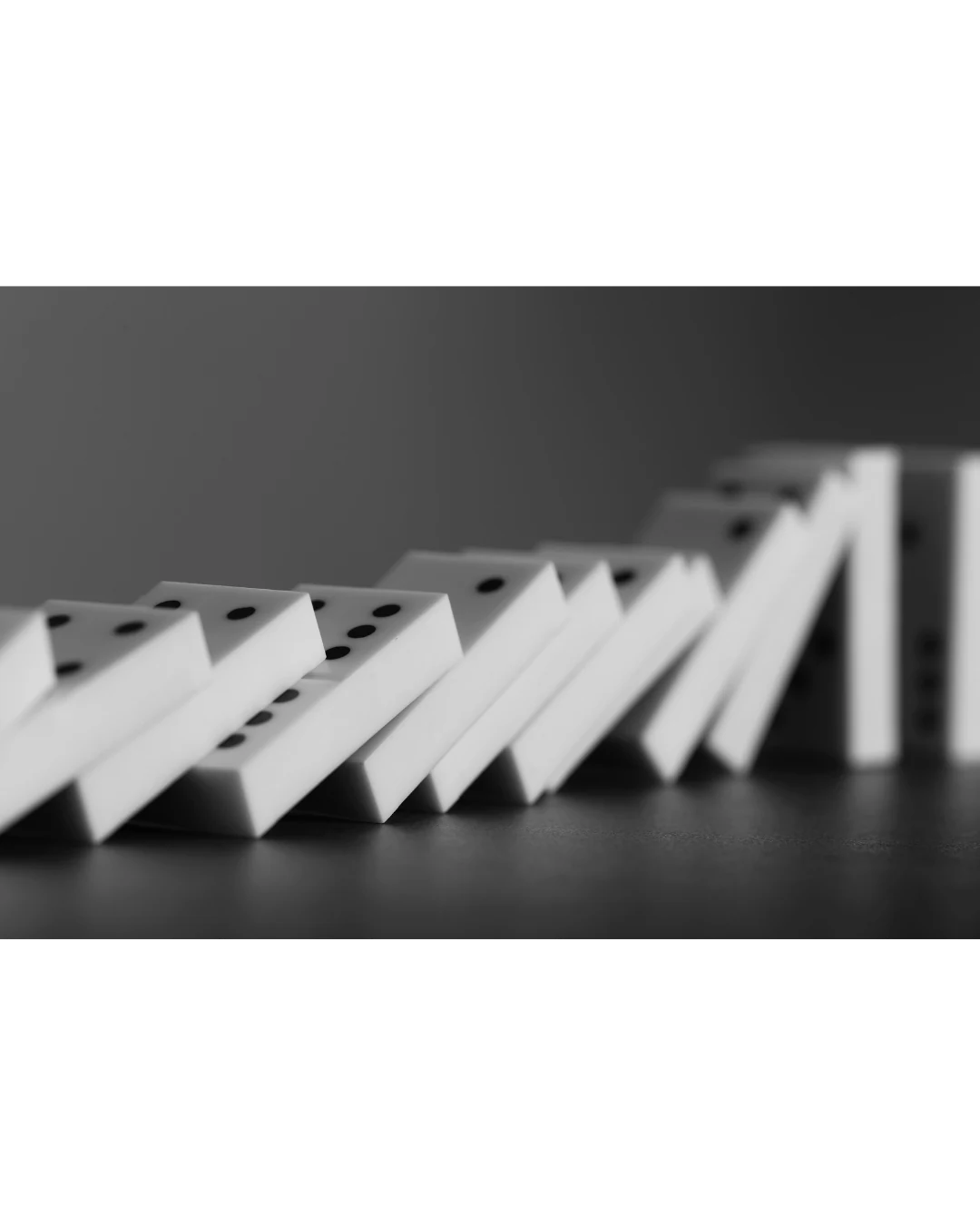
Give one jiu jitsu move your attention and it can grow into a connected system. Joshua Archiquette explains how recognition becomes trust and success.
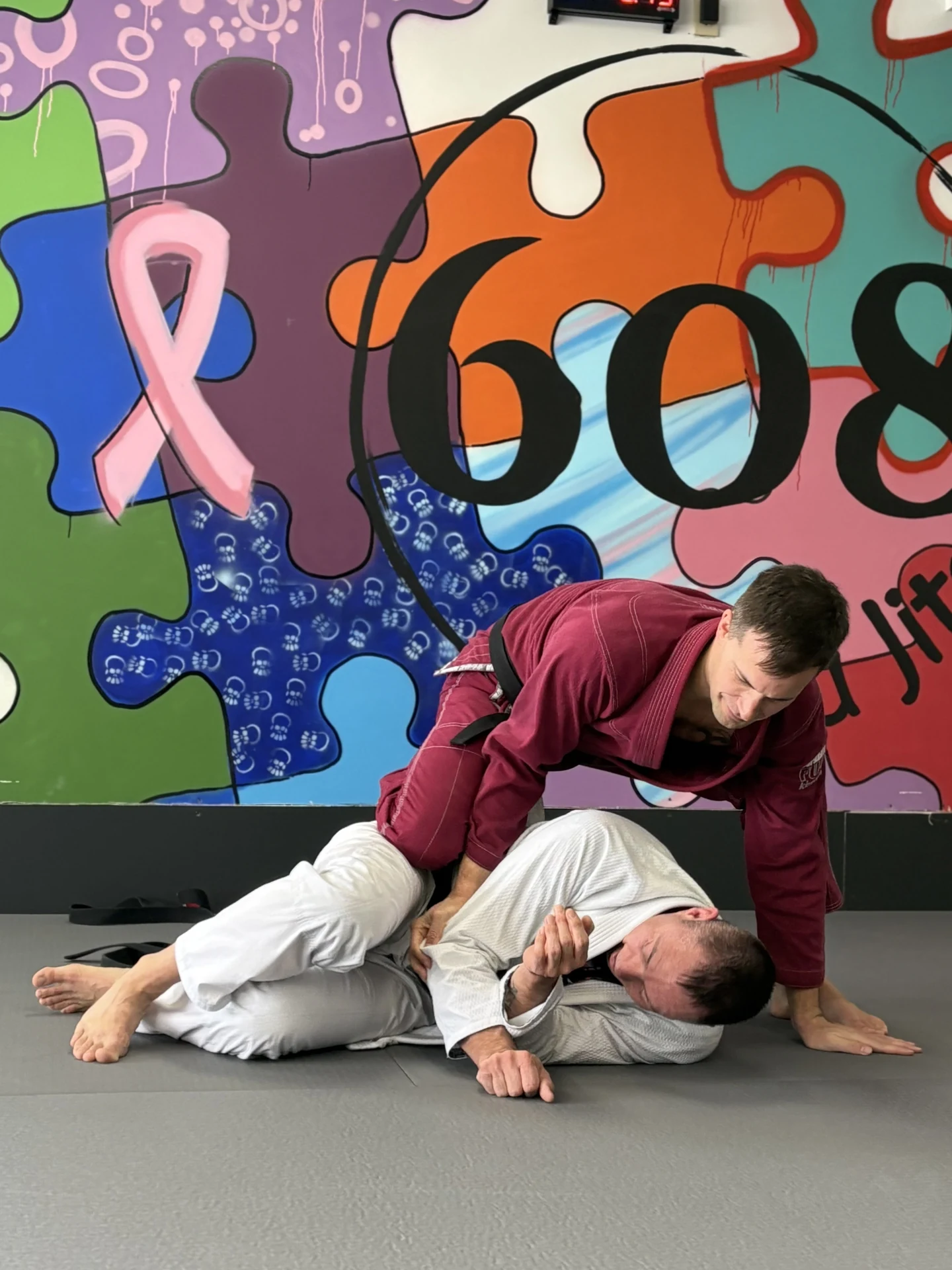
Winning a jiu jitsu round is not only about submissions. Joshua Archiquette explains how smaller breakthroughs can be a better measure of progress.
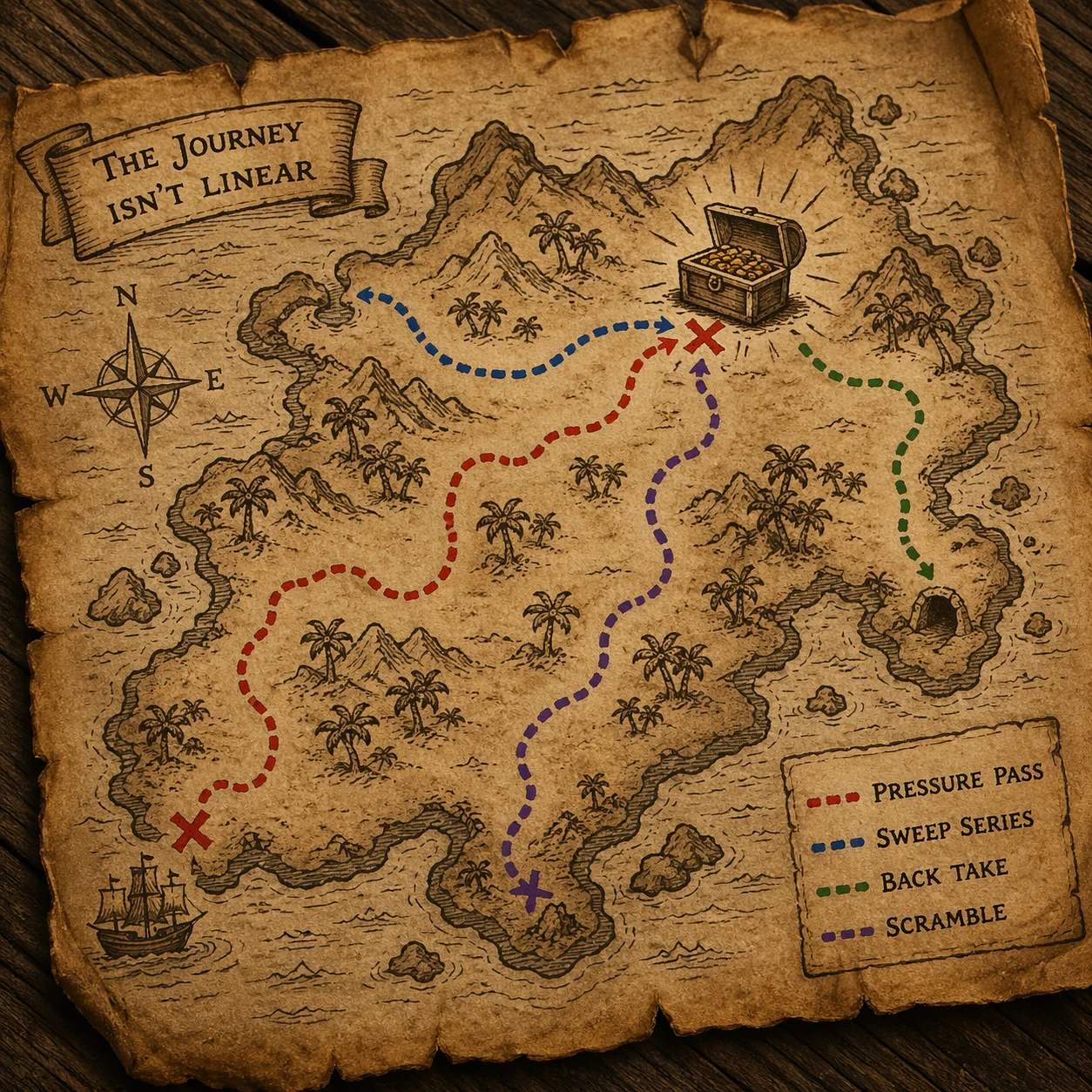
Finding a favorite jiu jitsu position is not enough. Joshua Archiquette explains how to recognize the grips, reactions, and routes that lead you there.
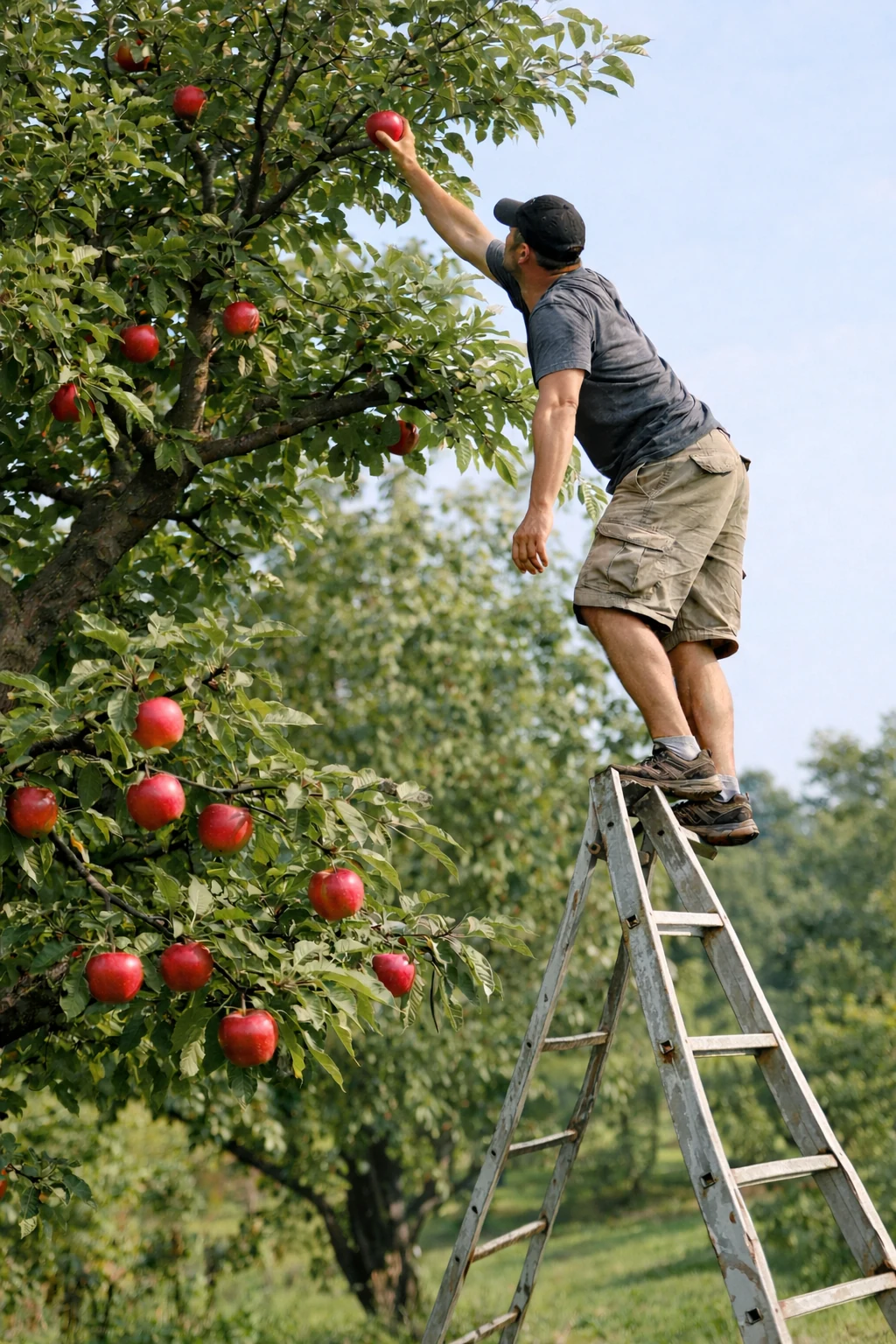
Focused jiu jitsu training can become tunnel vision. Joshua Archiquette explains why recognizing the opportunities in front of you matters too.
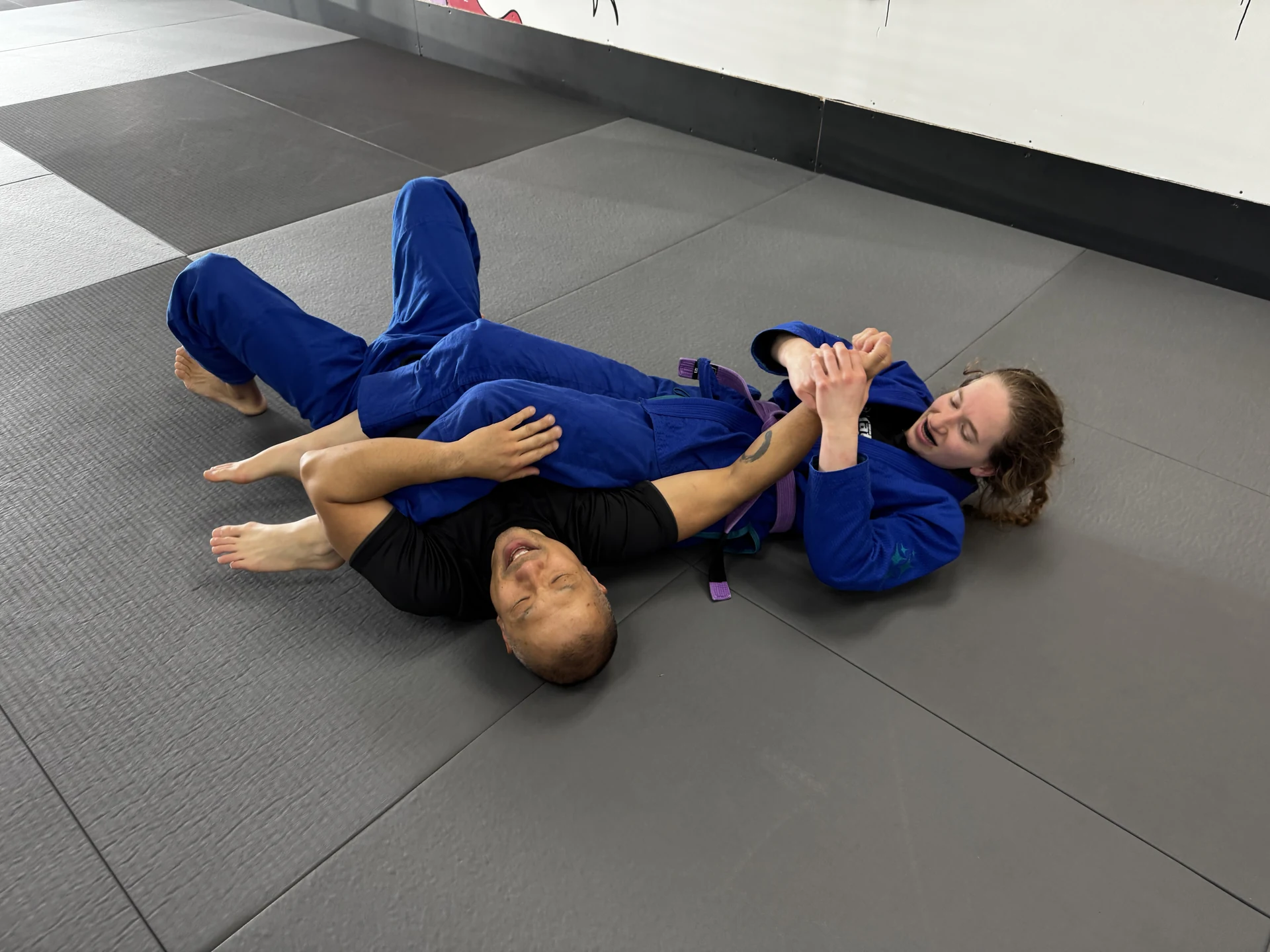
A jiu jitsu technique that feels wrong may only need time and adjustment. Joshua Archiquette explains why giving up too early can slow your progress.

Want to improve faster at jiu jitsu? Joshua Archiquette explains how choosing one position or technique gives every round a clear purpose.
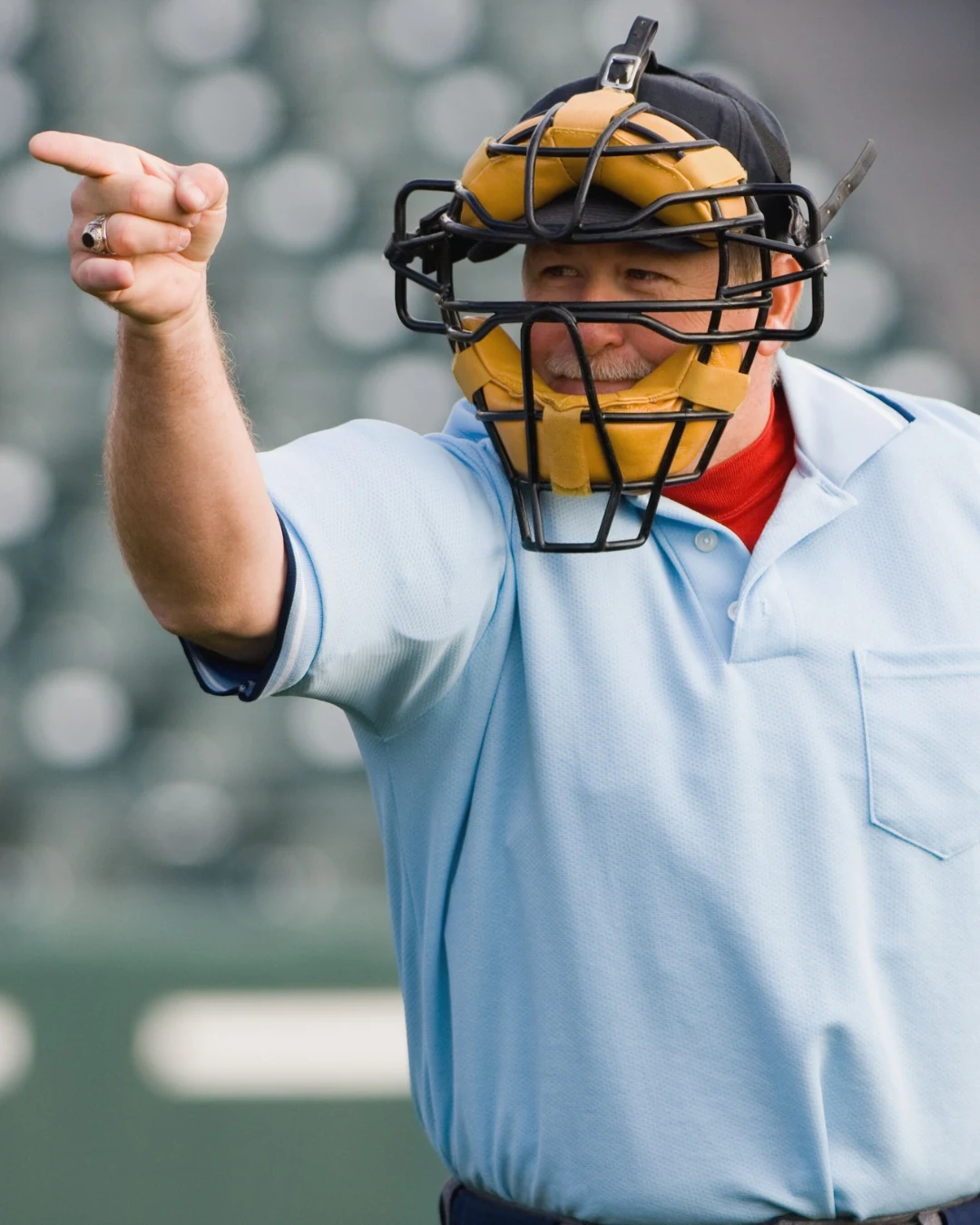
Jiu jitsu techniques will fail more often than they work. Joshua Archiquette uses baseball’s .300 batting average to explain why that can still be progress.
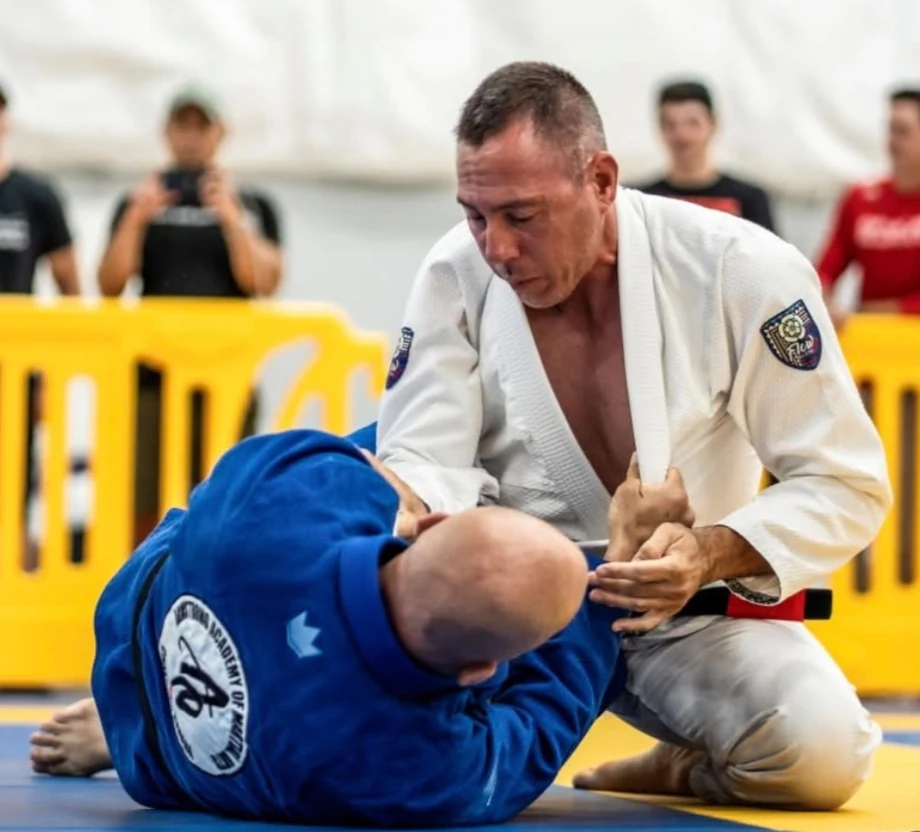
Jiu jitsu progress can feel slow at first. Joshua Archiquette explains how training a couple of times each week helps techniques and positions start to connect.